

Sign up for our daily Newsletter and stay up to date with all the latest news!

Subscribe I am already a subscriber

You are using software which is blocking our advertisements (adblocker).

As we provide the news for free, we are relying on revenues from our banners. So please disable your adblocker and reload the page to continue using this site.
Thanks!

Click here for a guide on disabling your adblocker.

Sign up for our daily Newsletter and stay up to date with all the latest news!

Subscribe I am already a subscriber
App icon
FreshPublishers
Open in the app
OPEN

UK: Meet the plant hunter obsessed with double-flowering blooms

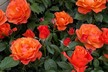
Double flowers are the holy grail for plant breeders – these frilly concoctions last much longer than single-flowered plants and for that reason they make good garden plants. Doubles contain extra petals that have replaced, or almost replaced, the reproductive parts of the flower, namely the stamens and pistil. In most cases, they cannot be pollinated, even if the bee were able to negotiate the multi-petalled labyrinth. Lovers of wildlife (such as myself) know that singles are better for insects – however, most gardens benefit from doubles as well. Although the absence of pollen and nectar in many doubles may not be great news for pollinators, the garden is boosted by longer-lasting blooms of greater substance.

Kathleen Inman, who gardens on sandy, acid soil in Staffordshire, has a new Plant Heritage Collection of British double-flowered plants. Her interest in wildflowers began as a child when she lived in a cottage close to two unnavigable canals near Denford, in Cheddleton in the Staffordshire moorland. Back then, the whole area was alive with wildflowers. In her early 20s, she began working for the parks department in Stoke-on-Trent, a local authority with a strong horticultural tradition.

Click here to read the complete article at www.telegraph.co.uk.

Publication date:

Related Articles → See More