
Thrips in ornamental plants: chemical and biological control
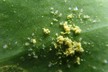
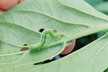
The western flower thrips, Frankliniella occidentalis, is one of the biggest pests in greenhouses. This little insect has established itself in Dutch greenhouses since the eighties and for many years is a cause of enormous economic damage. The larvae and adult thrips damage and suck out empty plant cells, creating a sliver-like damage (Fig 1). Additionally, this cells damage causes deformation of leaves during their growth.
Figure 1. Adult western flower thrips (top left ), damage on cucumber (top right) and chrysanthemum leaves (bottom left) and damage on the rose flower (bottom right).
Endophytes
One of the methods that could increase the resistance of plants to thrips is based on the usage of endophytes. Endophytes are fungi or bacteria that grow in the plant and have no negative effects onthe plants growth. Furthermore, in many cases, this symbiosis between plants and endpophytes is favorable fort he plant growth.
Hyperspectral images
Screening of endophytes against thrips is time consuming and labor intensive task. One important component in this process is the accurate quantification of the damage thrips cause to the plant. Computer vision experts of Wageningen UR Greenhouse Horticulture group have developed an automated method for the accurate quantification of the damage to the chrysanthemum leaves caused by thrips. One of the problems in automating this process is the fact that the colour of the thrips damage is similar with the colour of the leaves nerves. This problem is succesfully solved by using a combination of machine learning and ‘vesselness filter’ applied on the hyperspectral images of leaves. An example of the automated detection of thrips damage is shown in Figure 2.
Figure 2. Thrips damage marked with yellow on the colour images of the chrysanthemum leaves annotated manually (left) and segmented automatically (right).
For more informatie:
Wageningen UR