
Why use high-pressure mist cooling systems?
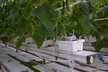
The speed at which transpiration occurs is determined by heat, carbon dioxide levels, light and water. Inside the leaves of each plant, the atmospheric humidity is 100%. The extent to which the stomata open up is to a certain degree determined by the RH differences between the air surrounding the leaves and the RH levels inside. Having significant differences means that the stomata will open up further, accelerating the level of transpiration. If the stomata are extremely open and the surrounding cells are no longer able to make up for water lost due to evaporation, water stress will occur.
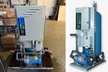
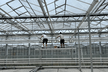
High-pressure mist cooling systems (also known as fog systems) improve the air humidity but they also make sure space temperatures remain low, dropping by 4 to 7 degrees Celsius. By inserting mist into greenhouses, it will evaporate in a hot environment. The evaporation of water requires energy, which is withdrawn from its environment because of the evaporating mist. It is how the ambient temperature inside the greenhouse is allowed to go down significantly.
Ferry van den Berg: "High-pressure mist serves not only the quality of your crops, but it also pushes down the energy costs. In addition, it helps improve daylight in many greenhouses. For instance, a chalk layer on the greenhouse roof is no longer necessary." This corporate film clarifies the effect:
For more information:
Fog-System
Ferry van den Berg
Vlotlaan 212
2681 TV Monster
The Netherlands
tel: +31(0)174-289397
[email protected]
www.fog-system.com