


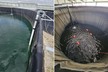
Recycling of irrigation water increases disease risks due to spread of waterborne oomycete plant pathogens such as Phytophthora, Pythium, and Phytopythium. A study was conducted to determine spatial and temporal dynamics of oomycete communities present in irrigation water collected from a creek (main water source), a pond, retention reservoirs, a chlorinated water reservoir, and runoff channels within a commercial container nursery in Oregon over the course of 1 year. Do you know what method you should be using to detect oomycete communities?
Related Articles → See More
-

Monitoring hydrogen peroxide puts water quality back in the spotlight
-

“Designing together ensures materials that match your crop”
-

India: “Plastic flowers are convenient, but can never replicate the appeal of fresh flowers at events”
-

“Part of the success in our operational flow and crop growth comes from the CreaSpacer"
-

"Propagation is an amazing way for us to use vertical farming sustainably"
-

"Why is the cutting stage important for the quality of spray roses?"
-

GrowPilot app to provide AI-driven crop risk alerts
-

"Plant Empowerment offers the fastest route to sustainable and profitable horticulture worldwide"
-
Clean water after disinfection? Don't count on it!
-

Spain: Almeria strengthens its poinsettia production for the Christmas season