

Bulgaria is an important EU producer of aromatic and medicinal plants. They also grow herbs and spices. These products are all cultivated using conventional methods as well as organic ones. In 2018, these crops' organic acreage increased by 22%. Organic lavender takes up most of this category's space. In 2018, it covered 7,000 ha, compared to 4,000 ha in 2017.
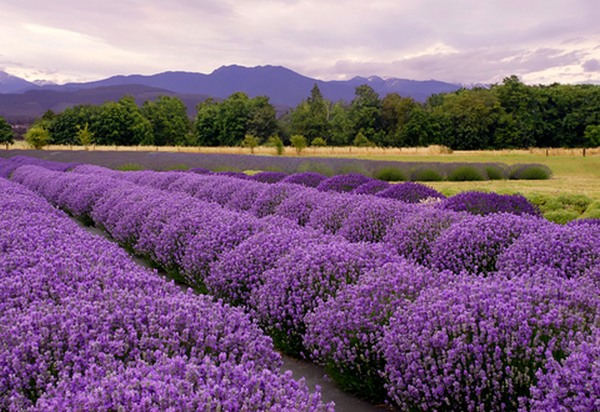
Lavender cultivation In Bulgaria has risen sharply in recent years. That is due to the favorable export demand for lavender oil. According to reports, the area planted with this crop grew even more in 2019. It now amounts to 18,000 ha. Of this, 7,000 ha is used for growing organic lavender. This acreage and volume expansion is leading to a drop in prices. In 2019, lavender and lavender oil prices fell by more than 50%.
In recent years, Bulgarian consumer demand for organic food beverages has increased. This is as a result of that country's stable economy. People there also have better buying power. Organic products are increasingly being viewed as healthy too. In 2018, the turnover for organic food and beverages reached a record high of €30 million. Further sales growth is expected for 2020 and 2021.
The demand for organic consumer-ready products will probably keep growing. However, organic cultivation companies and acreage decreased in 2018. These shrank by four and about six percent, respectively. Reduced subsidies have caused this downward trend.
These grants are given to farmers to convert to organic cultivation. At the end of 2018, organic acreage was good for 2,56% of Bulgaria's total horticultural area. This percentage includes farms which had switched entirely, and those still in the process of doing so.
The fully converted area for organic vegetables grew by 94% in 2018 compared to 2017. Of the organic fruit acreage, 58% had switched entirely in 2018.