


In the rapidly evolving world of biotechnology, efficiency plays a crucial role in staying ahead of the competition. Over the years, we have seen that advancements in laboratory methods can drastically reduce production times, offering significant advantages over traditional cultivation methods. In a talk with Reza Farzinebrahimi of Bioplantex in Sweden where they work with plant based extraction. Only two companies in Sweden are doing this. For the case of genus Ferula assa-foetida for example, a plant that is used for medicinal purposes, extraction usually takes five years with the conventional method, but with this new protocol, they can do it in less than five months.
 © Bioplantex
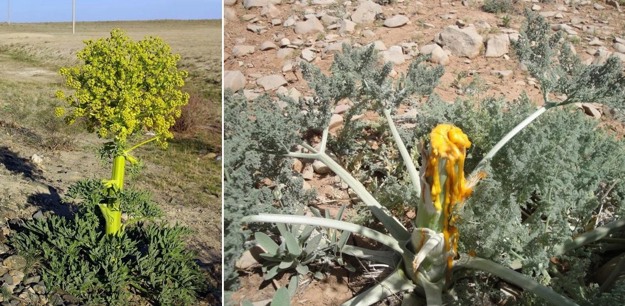
Ferula assa-foetida
The genus Ferula assa-foetida (mainly found in Afghanistan, India, and Iran) is a focus of research for its secondary metabolites, which are beneficial for medicine and food, explains Farzinebrahimi. Scientists are interested in how these plants produce compounds under stress conditions, enhancing their medicinal properties. One specific application he mentions is the antibacterial and antioxidant properties of compounds derived from Ferula, which could be useful in both the pharmaceutical and food industries. The plant is currently found mostly in the wild, with efforts by the Iranian government to encourage farmers to cultivate it. Research is still limited, and the plant's compounds are expensive to extract, with one milligram costing over 500 euros due to their high value in various industries, Farzinebrahimi contines.
The biotechnological advantage
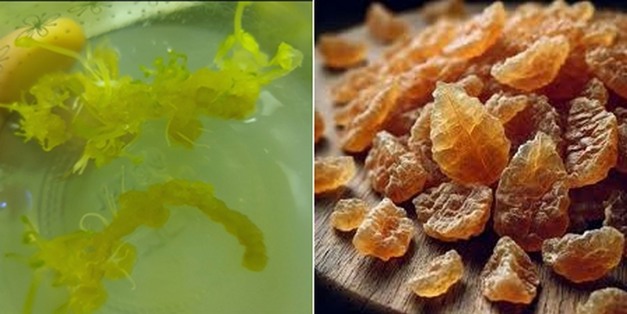
On top of the reduction in time of Bioplantex's new protocol, they can produce the desired compounds without the need to cultivate entire plants. "This innovative approach allows for more consistent results and reduces the variability often associated with natural growth cycles. For example, while traditional methods may require extensive land and years of patient cultivation, laboratory methods streamline this into a much shorter period", he explains.
 © Bioplantex
Financial implications
The financial aspect of accelerated production cannot be overlooked. By compressing the time required to develop and register new compounds or products, companies can reclaim lost investment resources quicker. "This rapid turnaround can also positively impact pricing strategies, allowing organizations to offer competitive prices without sacrificing margins."
Future prospects
As laboratory production continues to advance, the future looks bright for industries relying on rapid development cycles. Firms focusing on plant-derived compounds for pharmaceuticals and cosmetics are particularly well-positioned to exploit these efficiency gains. By investing in biotechnological methods, companies not only improve their operational efficiency but also enhance their ability to address market demands effectively.
Conclusion
In summary, the potential to expedite laboratory production processes allows companies in biotechnology to innovate faster than ever. This not only leads to increased efficiency but also sets a new standard in the market where responsiveness and adaptability are key. As ongoing research continues to refine these methods, the gap between discovery and delivery is sure to narrow even further, redefining the landscape of modern biotechnology.
For more information
Bioplantex
bioplantex.se