


Last week, the UK and EU announced a new Sanitary and Phytosanitary (SPS) agreement as part of a broader effort to reset post-Brexit relations. The agreement is designed to ease border checks and reduce paperwork for trade in food, animal, and plant products. While many importers and exporters have welcomed the move, there are several concerns (as both described in this article). Additionally, domestic growers supplying the UK market may face disadvantages as a result.
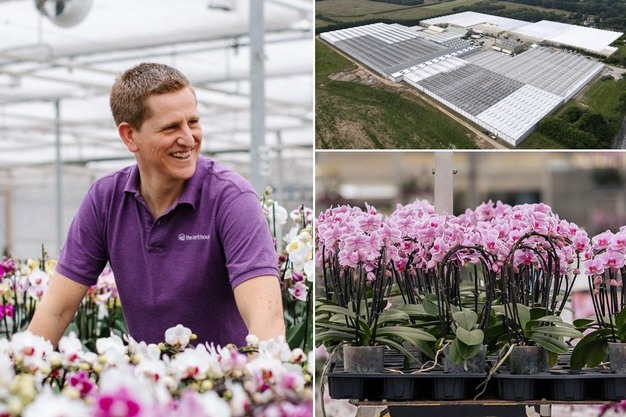 © Double H Nurseries
Andy Burton of Double H Nurseries, an indoor plant grower based in New Milton that supplies UK supermarkets, garden centers, and online retailers, told us: "It isn't clear exactly what the changes are going to be yet, but our assumption is that almost all phytosanitary requirements will be removed on imports from the EU. While it is good to remove these non-value adding activities from the process it does reduce the friction on imports, levelling the playing field again, which is a disadvantage to British growers like ourselves."
Burton also highlighted the uncertainty surrounding the implementation timeline: "The other thing we haven't had any information on is how long it will take for these changes to come into effect, apparently it could take 18 months! If that is the case, it seems crazy that we will have to continue spending thousands of pounds a month on this paperwork when everyone knows that it is going to be scrapped, so it will be interesting to see whether the level of enforcement / inspections reduces in the meantime