

Bulgaria has a long-standing tradition of urban greenery. Its capital, Sofia, is known for its many parks, tree-lined boulevards, and proximity to the Vitosha Mountains. Plovdiv, Europe's oldest city and Bulgaria's second-largest, is also considered green, with its abundance of parks, gardens, and hills. With 6.5 million inhabitants, Bulgaria is playing a leading role in Europe's urban greening efforts. Bulgarian growers work closely with universities and public authorities on increasing greenery in cities—along ring roads, riverbanks, and rooftops. To gather inspiration for EU policy, the Copa-Cogeca Working Party on Flowers and Plants held its annual summer meeting in Bulgaria.
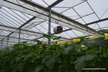
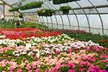
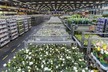
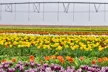
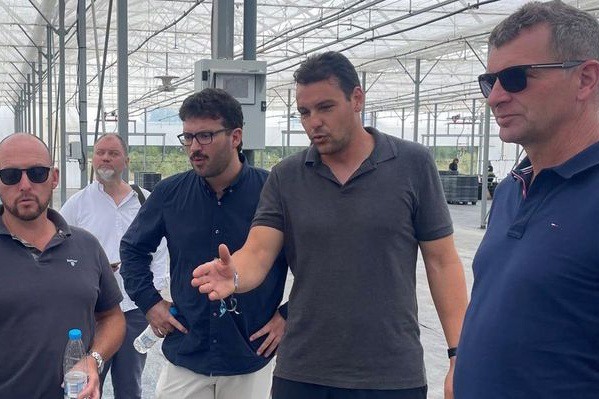
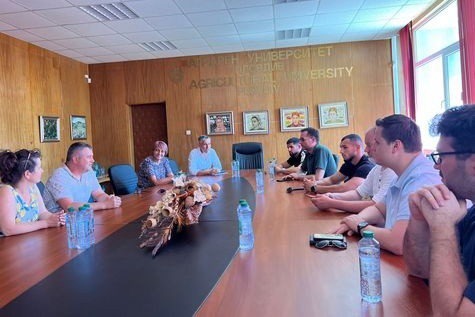
Over the course of three days, the Working Party—chaired by Jesse Schevel—visited various ornamental horticulture businesses and universities in the southeastern regions of Sofia, Plovdiv, and Pazardzhik. Each year, the group travels to a different EU member state to align its lobbying efforts in Brussels, strengthen collaboration, and gather ideas for new policies.
 © Glastuinbouw Nederland
Greener cities
With the EU Nature Restoration Law being implemented nationally and Brussels placing greater emphasis on climate adaptation, there is growing attention on greener cities. At the local level, more initiatives are emerging to create cooler urban environments, promote biodiversity, improve air quality, and prevent waterlogging.
"As producers of flowers, plants, and trees, Europe's ornamental horticulture sector is a key driving force behind greener cities," says Jesse Schevel. "The importance of our sector in a greener Europe deserves more recognition—something Copa-Cogeca already highlighted in the run-up to the 2024 European Parliament elections."
In Bulgaria, growers, universities, and public authorities are increasingly working together through joint research projects and educational programs. Universities in Sofia, Plovdiv, and Stara Zagora are collaborating with growers to develop innovative urban greening solutions such as green roofs, vertical gardens, native plantings, and peri-urban horticulture. Supported by European funding, the local production and landscape architecture of urban greenery are being stimulated. New construction projects must also allocate at least a quarter of the plot to green space. This Bulgarian approach—combining regulation, local cooperation, and research—serves as a valuable source of inspiration for urban greening across Europe.
 © Glastuinbouw Nederland
Crop protection and water policy
Bulgaria is also known for its rose oil production. In the Kazanlak region—better known as the Valley of Roses—the working group discussed challenges related to crop protection and water use. Similar to conventional growers in the Pazardzhik region, Bulgarian growers face increasing challenges due to drought and a shrinking range of crop protection products.
Discussions among the EU member state representatives emphasized the urgent need to accelerate the approval of green crop protection products and promote water efficiency to keep the sector resilient. These insights will inform the sector's contribution to ongoing EU-level debates on crop protection and water policy.
Clarity on packaging rules
Finally, the working group addressed the interpretation of the new EU Packaging and Packaging Waste Regulation (PPWR). There is still considerable uncertainty regarding various elements, including the definition of packaging, recycling requirements, labeling, and reuse.
To ensure a practical and harmonized implementation across Europe, Copa-Cogeca, Union Fleurs (wholesale), and the European Nurserystock Association (ENA) are jointly engaging with the European Commission to seek clarity. Together, these organizations are working to minimize the regulation's impact on the ornamental sector.
Source: Glastuinbouw Nederland