


Supermarkets in the United States show notable differences in their cut flower offerings compared to their European counterparts, according to Bohdan Tustanivskyi, founder of Polish flower supplier Profiflora. After visiting several U.S. chains, he shared his observations on assortment, pricing, and presentation.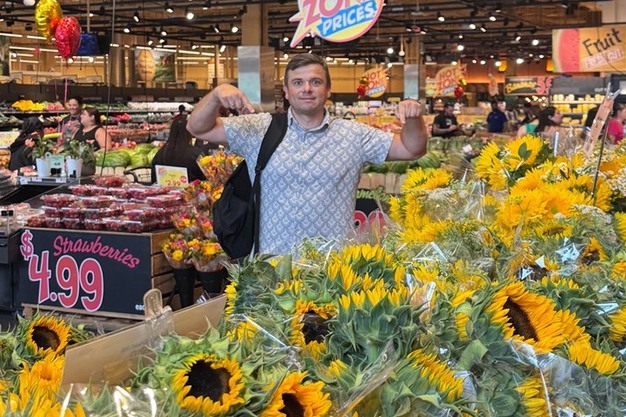 © Profiflora
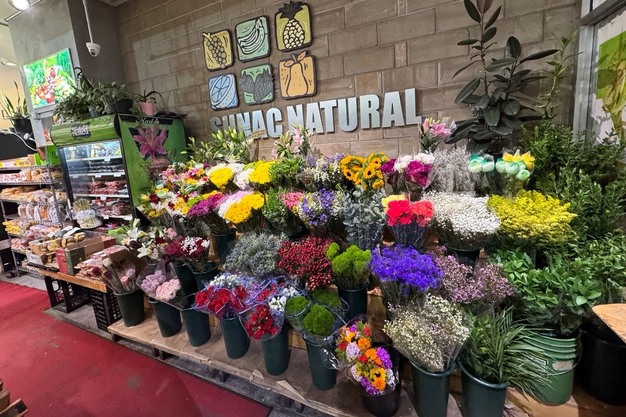
Wide assortment and larger bouquets
"The U.S. is several steps ahead when it comes to assortment," says Bohdan. "American supermarkets seem less concerned with margin per square meter. Flowers serve as a consumer magnet. In Europe, assortment is narrower and more carefully managed, often based on past sales data."
Bouquet sizes also differ significantly. In the U.S., bouquets under 50 cm are hardly seen, while in Europe, retailers often start at 30–35 cm, moving up gradually to larger formats. "This reflects the general American preference for 'bigger,' whether it's coffee cups, hotel beds, or flowers," he notes.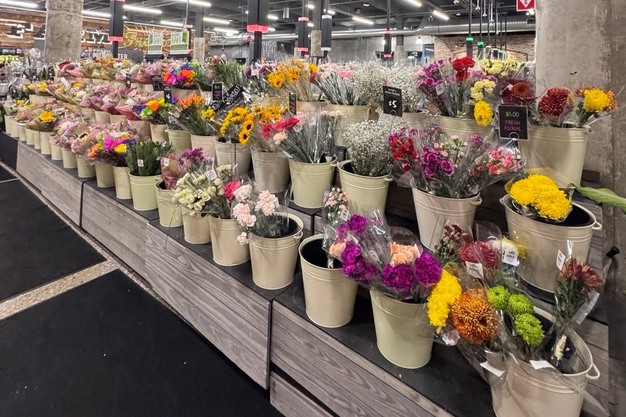 © Profiflora
 © Profiflora
 © Profiflora
 © Profiflora
Pricing structures
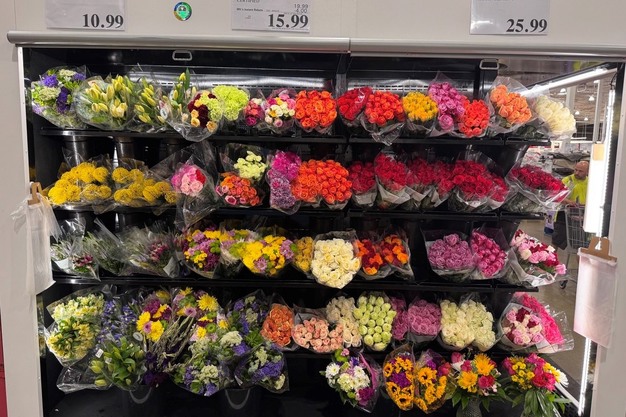
On average, U.S. flowers are about 30% more expensive than in Europe. A simple example: five stems of gypsophila (50 cm) cost around $5 in the U.S., versus €3–€3.50 in Europe. "The difference applies across roses, alstroemeria, and carnations as well," Bohdan explains. "Higher incomes and different cost structures may play a role, but the gap is clear."
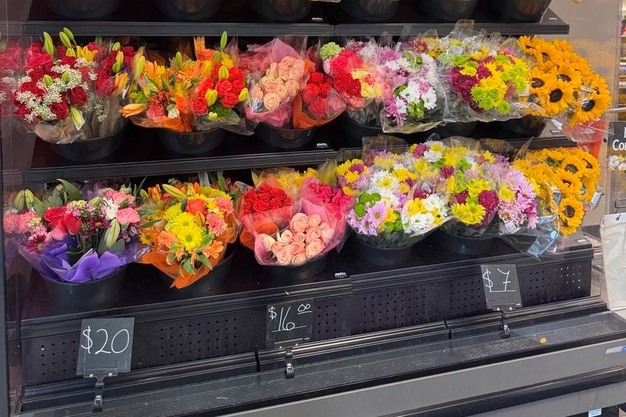
Pricing itself is also simplified in American stores, usually grouped into three main price tiers, which, according to him, speeds up decision-making for shoppers.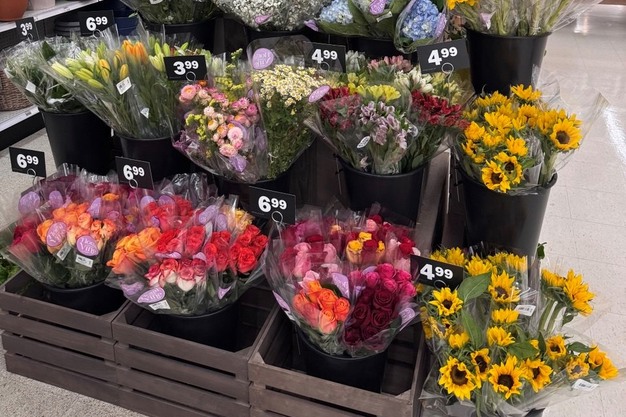 © Profiflora
 © Profiflora
Origins and sourcing
Another observation was the absence of African flowers. "Eighty to ninety percent of the assortment comes from Colombia and Ecuador, with the rest from Canada (sunflowers) and the U.S. (tulips). In Europe, African flowers remain common on supermarket shelves," says Bohdan.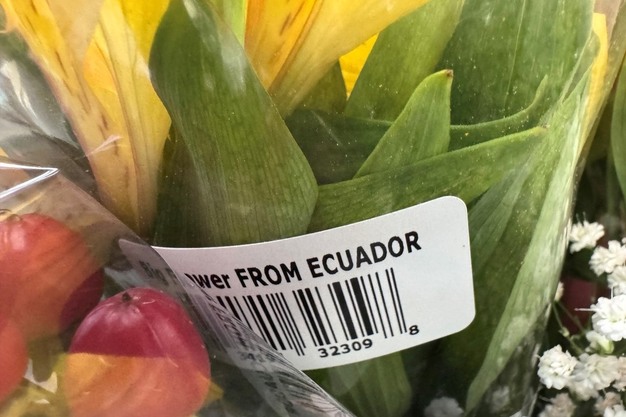 © Profiflora
Presentation and added value
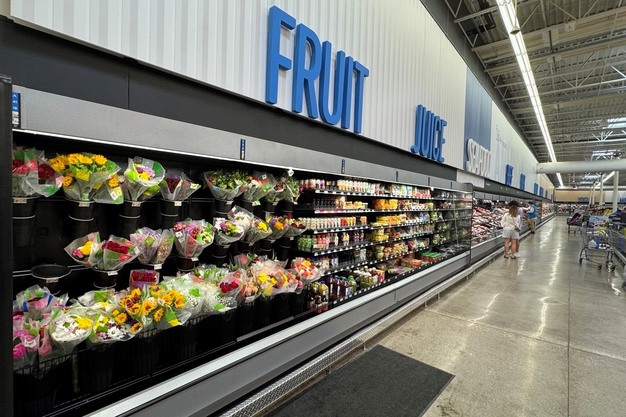
U.S. supermarkets dedicate more space to refrigerated displays, which extend shelf life and improve presentation. Bright and vivid colors dominate, often including dyed flowers, whereas European consumers tend to prefer softer, pastel tones.
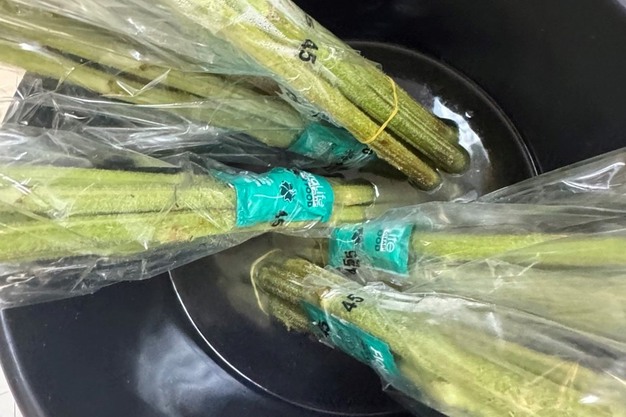
Additional consumer-friendly touches include protective sleeves provided for shoppers to carry bouquets around the store and flower food sachets included with every bouquet—something still not standard practice in Europe.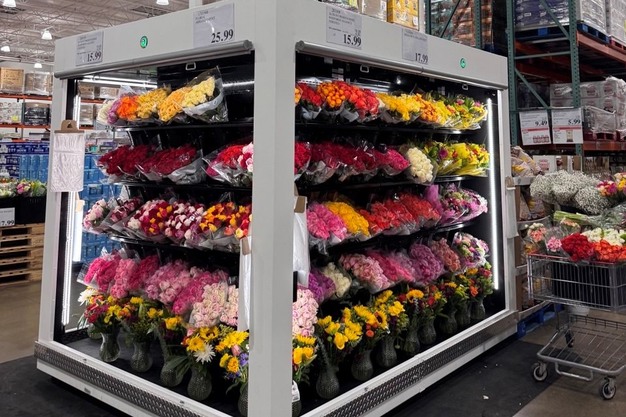 © Profiflora
 © Profiflora
Unique categories
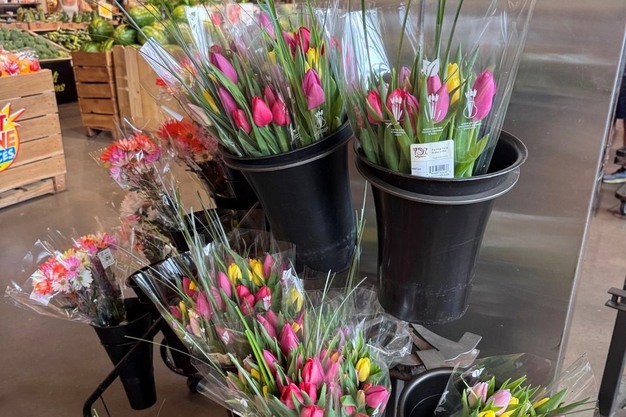
One category that stood out to Bohdan was ready-to-display vase arrangements. "These low-profile, table-ready designs are very popular in the U.S. but not often seen in Europe's supermarket chains," he says. Tulips also stand out—whereas in Europe the season typically ends around week 21–22, American stores still offer local tulips in summer, albeit at a premium.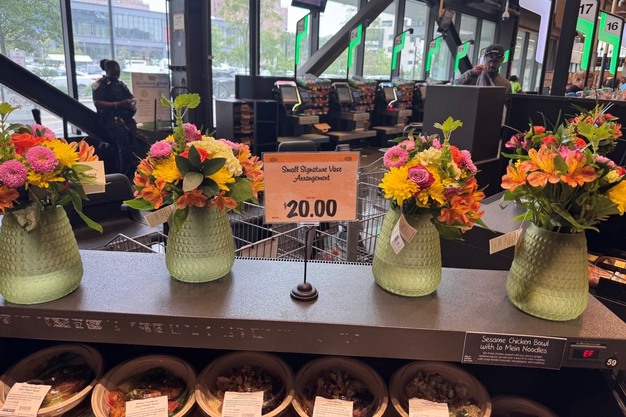 © Profiflora
 © Profiflora
Conclusion
"Overall, the U.S. impressed us with its variety, presentation, and retail strategy in cut flowers," concludes Bohdan. "It was not only inspiring but also a valuable learning experience, helping us shape how we deliver flowers to our customers in Eastern Europe."
Supermarkets visited included Walmart, Costco, Meijer, Target, Aldi, Jewel Osco, Family Fare, Giant Eagle, Wegmans, Publix, Bridge Market, and Sunac Natural.
For more information:
Bohdan Tustanivskyi
Profiflora  +48 507 686 315
[email protected]
profiflora.pl