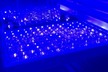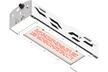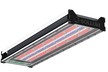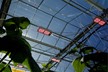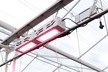


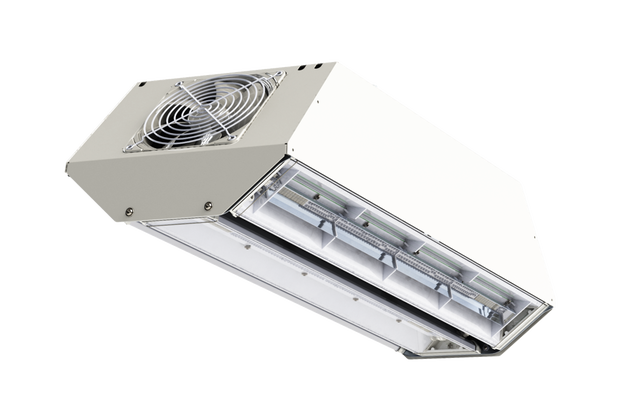
In ornamental greenhouse cultivation, maintaining a stable and optimal climate is crucial for ensuring high flower quality, plant health and uniform production outcomes. "Gerbera (Gerbera jamesonii) is particularly sensitive to fluctuations in the greenhouse microclimate—including humidity levels, air movement, temperature distribution across the canopy and the risk of fungal diseases such as head rot, caused by Botrytis cinerea. These sensitivities make the transition from HPS to full LED solutions particularly challenging", says Dorottya Illes, Research Project Leader with Food Autonomy. To address these challenges, the company has developed the LEDFan, designed to positively influence the indoor microclimate and facilitate the transition to full LED lighting in ornamental crop production.
 © Food Autonomy Korlátolt Felelősségű Társaság
Pilot study
"We have collaborated with Ledgnd B.V. to evaluate the performance of the LEDFan toplight in a pilot study, conducted in a commercial Gerbera greenhouse in the Netherlands", Dorottya explains. "The objective was to determine whether full LED lighting, enhanced by LEDFan technology, could positively influence the greenhouse microclimate and support a successful transition from conventional lighting systems. Our solution was integrated with CultiMesh, our innovative wireless control system, which enables precise selection of the light spectrum and independent dimming of both the lighting intensity and the fan operation within the LEDFan unit. In addition, it provides real-time monitoring of lamp health and lighting status, allowing for data-driven optimization of the lighting strategy."
During the project Ledgnd oversaw the research as an independent specialist provided sensors to collect environmental and plant data which were analyzed in Myledgnd by Ledgnd. "A promising innovation is the new LEDFan fixture made by Food Autonomy. The LEDFan ensures vertical ventilation by ventilating the generated convection heat by the LED fixtures towards the crop", says Thijmen Calis, Plant physiologyst ad Ledgnd.
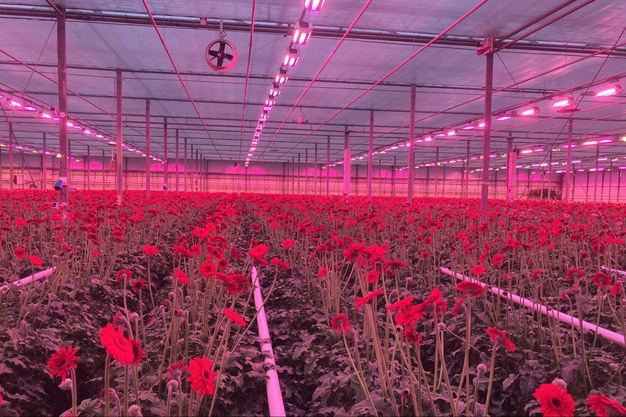
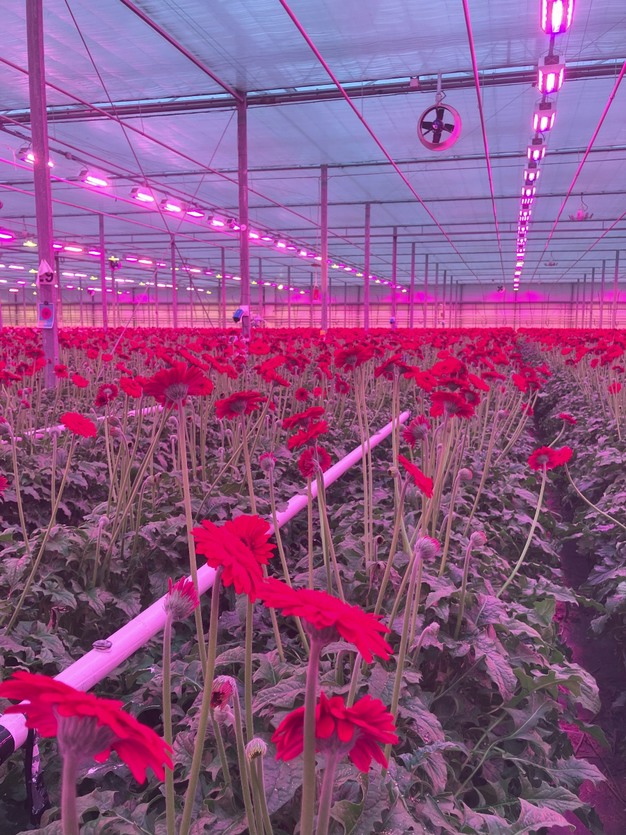
The study took place from November 2024 to March 2025 in a commercial greenhouse in the Netherlands. Three trial areas were established with different set-ups: FA LEDFan (full LED with active ventilation), Standard LED (full LED without active ventilation), and Hybrid control (combination of HPS and standard LED).
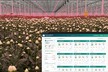
Several sensors were strategically placed throughout the greenhouse to monitor key environmental parameters. In addition to sensor-based measurements, plant growth parameters were also assessed regularly to ensure comprehensive data collection. Food Autonomy collaborated with Ledgnd to oversee the research. To achieve this, Ledgnd set up a sensor infrastructure and gathered all relevant data within the MyLedgnd platform. The main question was whether the plants would show the desired physiological response and whether a transition from a hybrid lighting setup to full LED using Food Autonomy's LEDFan would be feasible. Based on the data collected and visualized in MyLedgnd, Food Autonomy's data scientist and agronomist team, in a collaboration with Ledgnd's plant physiologists analyzed the crop's response to LEDFan.
 © Food Autonomy
Measuring a lot
The monitored parameters included the RH, VPD, CO₂ concentration, soil moisture, EC, temperature at air, canopy and leaf level, light intensity, plant load, growth duration, stem and flower diameter, energy consumption, and of course yield performance.
 © Food Autonomy Korlátolt Felelősségű Társaság
"This integrated approach allowed us to evaluate both the climate-control capabilities of the LEDFan system and its overall impact on crop development and production efficiency", Kieth says. "The results show that with the integration of LEDFan, growers can successfully cultivate Gerbera, using 100% LED lighting—while improving energy efficiency and maintaining crop quality. In addition, the temperature difference between leaf surface and air was reduced, demonstrating improved thermal balance and better energy distribution across the plants."
Ventilation heat towards the crop
"LEDFan showed in the leaf temperature that it was effective in ventilating the heat towards the crop, resulting in identical plant temperatures as the hybrid control. It also reduced the leaf and air temperature gap, indicating improved heat transfer to the crop", adds Thijmen.
According to the teams, humidity regulation is critical in the cultivation of ornamental crops to prevent fungal diseases and support optimal transpiration. "The LEDFan area recorded a greater drop in humidity levels during the day (2.8% versus 2.1% in the control), indicating that LEDFan helps dehumidify the greenhouse environment more effectively.Moreover, one of the most impactful results from this trial was the 24% reduction in energy cost per flower in the LEDFan zone compared to the control, without any significant plant-load loss. "
"Therefore, it is possible to conclude that replacing the HPS lamp with an LEDFan is possible without losing production. This is in agreement with other papers that showed equal or better production of cut gerberas during the lighting season (November to March) under LED compared to HPS " says Thijmen, referring to studies from Dueck et al., 2017; and Llewellyn et al., 2019.
Flower quality
Flower quality metrics also showed promising results: gerberas grown under LEDFan combined with standard LED exhibited equal or greater stem thickness and flower weight, with consistent stem lengths that matched market requirements.
The greenhouse owner, involved in the trial, expressed confidence in the LEDFan's potential, particularly for setups that do not utilize additional dehumidification systems yet. "The LEDFan could even serve as an alternative of standard ventilation units and dehumidification systems —an area worth further exploration in future research. With this solution, growers no longer need to choose between energy efficiency and optimal cultivation conditions—they can achieve both by one product."
 © Food Autonomy Korlátolt Felelősségű Társaság
For more information:
Dorottya Illes
Food Autonomy
Product Manager, Research Project Leader
[email protected]
www.foodautonomy.org