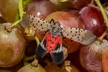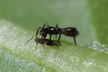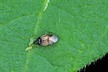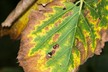


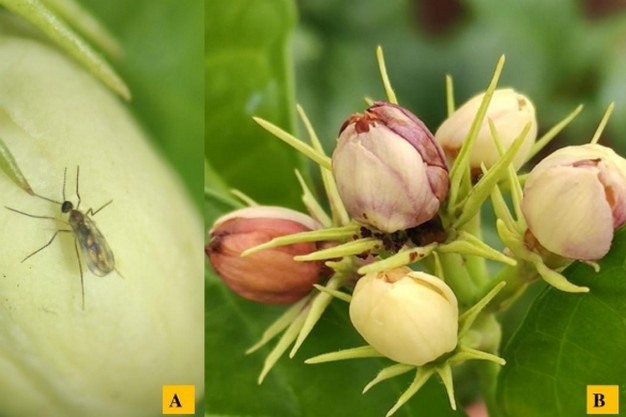
A team of scientists led by Dr. D. M. Firake, Senior Scientist from the ICAR-Directorate of Floricultural Research (ICAR-DFR), Pune, have discovered a new species of blossom midge, Contarinia icardiflores sp. nov., infesting Jasminum sambac (jasmine) flower buds in India. The species name 'icardiflores' stands for Indian Council of Agricultural Research -Directorate of Floricultural Research (ICAR-DFR). The species has been named in honour of ICAR-DFR, acknowledging the institute's contributions to floriculture research.
Blossom midges of the genus Contarinia are known to be serious pests of ornamental and food crops worldwide. The newly discovered species, C. icardiflores, was found causing significant economic losses in jasmine cultivation. Although morphologically similar to Contarinia maculipennis Felt, the only previously reported jasmine-infesting midge, this new species is genetically distinct. The research team employed integrative taxonomy using both morphological characteristics and molecular tools to describe the species. Distinguishing features include the structure of the female flagellomeres, cerci, and the male aedeagus. The study also sequenced a partial region of the mitochondrial cytochrome oxidase subunit I (COI) gene for precise identification and to support rapid diagnostics.
 © Indian Council of Agricultural Research
Contarinia icardiflores completes its life cycle in 16 to 21 days and poses a considerable threat to jasmine production. The findings provide essential biological insights and lay the groundwork for developing targeted and eco-friendly pest management strategies for jasmine farmers in the country. This discovery marks a major step toward strengthening India's preparedness against emerging pests in floriculture.
For more information:
Indian Council of Agricultural Research
www.icar.org.in/