
Over the last few years, we've seen growers make progress by stimulating plant growth with relatively simple techniques. The need for greater accuracy has supported this. By changing our approach, results were visible after just one cycle. With relatively easy investments, depending on where you are in your milestone process, you cannot be too sure about these factors.
Instable EC values
Mixing the right Electrical Conductivity (EC) in substrates is crucial for plant growth, yield, and quality. EC measures dissolved salts and nutrients that influence water and nutrient uptake. Too low EC causes deficiencies, while too high EC restricts water absorption, stressing plants. Slightly higher EC can enhance fruit flavor without reducing yield. The ideal EC depends on crop type and growth stage: seedlings need low EC, while mature plants require more. Substrate water content and dryback also affect EC. Regular monitoring of EC and pH ensures balance, prevents salt damage, and supports healthy development throughout cultivation.
Water quality can change at times
Another major topic is water quality. Key factors such as pH, electrical conductivity (EC), dissolved solids, and pathogens directly affect plant health. Good water quality ensures proper nutrient uptake, reduces disease risk, and supports sustainable crop production.
Apply IPM culture, workflows and techniques
Integrated Pest Management (IPM) supports plant growth by reducing pest damage while maintaining a healthy crop ecosystem. It combines biological, cultural, physical, and chemical methods with a focus on prevention. By lowering reliance on synthetic pesticides, IPM reduces plant stress, resulting in healthier leaves, improved photosynthesis, and better post-harvest quality. Stronger soil and root health from biological control enhances water and nutrient uptake, leading to more vigorous plants. Early pest monitoring prevents major outbreaks and yield loss. IPM also strengthens ecosystem balance, supporting pollination and natural controls. Economically, it reduces unnecessary treatments, improves resilience, and ensures sustainable productivity.
 © Priva
Stable EC, accuracy reached in less than 5 seconds
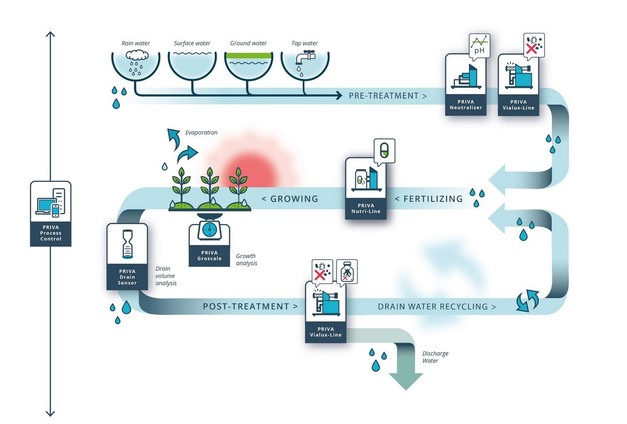
Fertigation is a precise process, very different from field or soil-based irrigation. In field systems, mixing times can take longer than 5 minutes due to greater distances and longer cycles. In substrate growing, distances are shorter, and faster cycles are needed to stimulate plant transpiration. Priva systems deliver what others cannot: high accuracy, reaching full precision within 5 seconds for fertigation cycles lasting only a few minutes. These systems never pause, ensuring consistent performance—because plant health is at stake.
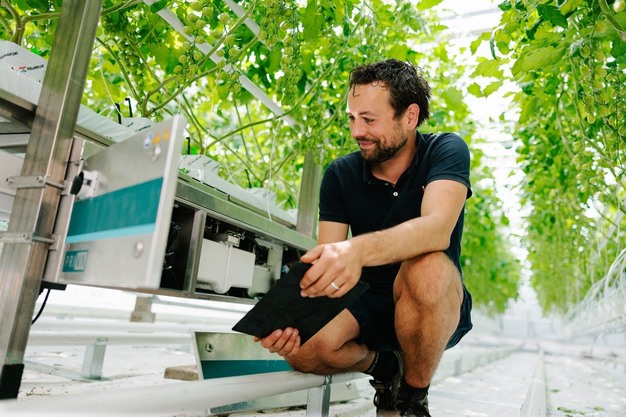
Professional growers prefer shorter irrigation cycles, timed exactly when plants need it—improving respiration, growth, and reducing stress. Priva developed the PIM (Priva Irrigation Management ), a sensor-based system that measures drain EC and substrate weight in real time. This ensures precise irrigation timing without assumptions, keeping plants healthier and more productive.
 © Priva
Work with plant data
The more you measure, the more you learn. With a practical tool, you can work independently or with partners in Indonesia to identify improvements. Step by step, this creates real growth. We recommend working with the plant at all times—data is essential. Even when automating operations, you must keep learning and measuring results. The biggest failures come from not knowing and making assumptions—the most costly risk for any operation.
For more information:
Priva
www.priva.com