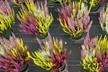

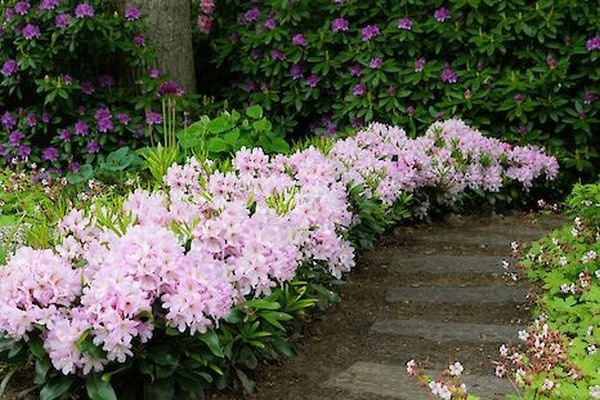
How well can rhododendrons actually grow in peat-free substrates? That question is more relevant than ever and it's on the minds of both the horticultural trade and home gardeners. A recent trial at the Lehr- und Versuchsanstalt für Gartenbau (LVG) Bad Zwischenahn-Rostrup, part of the Chamber of Agriculture of Lower Saxony, shows a clear result: the lime-tolerant Inkarho Rhododendrons are an excellent fit for peat-free potting soils in private gardens.
 © Inkarho
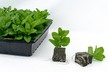
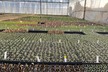
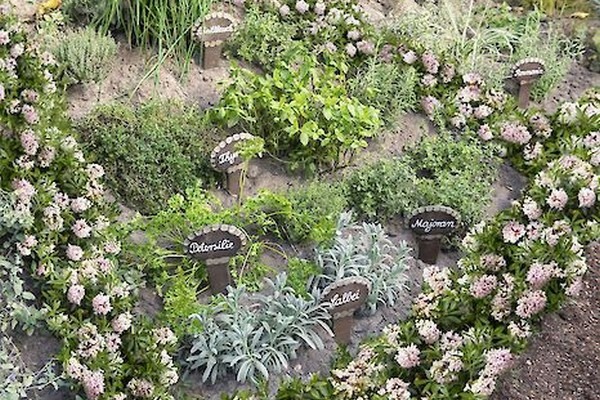
The trial, commissioned by Inkarho, ran from May to October 2024. Five different cultivars were tested, including Bloombux, the fragrant hedge types Inkarho 'Lila' and 'Rosa', as well as the two Easydendron selections 'English Roseum' and 'Junifeuer'. These plants were grown in seven different peat-free substrates from various suppliers. Care was deliberately kept close to what hobby gardeners would normally do: potting as usual, routine fertilizing, and regular watering. In autumn, the plants were assessed for leaf color, growth, number of flower buds, and especially root development.
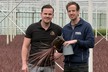
"The central question, whether cultivation without peat is possible, can clearly be answered with 'yes'," says Heinrich Beltz, head of the tree nursery department at LVG Bad Zwischenahn. "The trial has shown that Inkarho Rhododendrons thrive very well in peat-free substrates." This applied to all five cultivars tested.
 © Inkarho
Of course, not all mixes performed the same. Some substrates provided near-perfect growing conditions, while others showed limitations, such as pH levels that were too high or unclear nutrient content. The takeaway is simple: choosing the right peat-free mix is critical. Beltz highlights two key points for growers. First, irrigation. Peat-free mixes usually hold less water, so regular and even watering is more important. At the same time, waterlogging must be avoided, since excess water needs to drain away freely. Second, fertilization. Depending on the nutrient levels in the chosen substrate, additional feeding may be necessary. As Beltz explains, "Peat-free doesn't mean one single recipe. Every mix is different, so water and fertilizer regimes have to be adjusted accordingly. The instructions on fertilizer packaging are a good guide."
For the trade, this means that Inkarho Rhododendrons can be confidently sold as peat-free options for the home garden. Labels on these plants now carry a "tested without peat" mark. What really makes the difference, however, is expert advice at the point of sale. Guiding customers on the differences between substrates and giving practical care tips ensures that demand for peat-free alternatives is supported, without compromising plant quality.
For more information:
Inkarho 
https://www.inkarho.de/nl/