

Biochar is becoming increasingly important in horticulture. For years it has been considered a possible material for growing substrates, and with rising pressure on traditional options, it is now drawing more attention. But biochar is more than just a substrate. Its production generates energy that can be used in greenhouses, while also capturing CO₂ from the air. When stored in soil or processed in ways that prevent burning, the carbon remains locked away for thousands of years. This dual benefit has also attracted political and public interest.
 © Carbo Culture
"Our main goal is to remove CO₂ from the atmosphere," says Jack van Batenburg, Business Development and Supply Chain Lead at Carbo Culture. Together with Jean-Pierre Schenkeveld, who brings technical expertise, Jack is building this fast-growing start-up. Jack contributes his years of experience in horticultural substrates, introducing growers to biochar and searching for agricultural residues that can serve as raw materials.
Carbo Culture makes biochar in patented reactors. The third generation of this system is operating in Finland, where the team is testing a wide variety of feedstocks. "That's where we run all our trials with different raw materials," Jack explains.
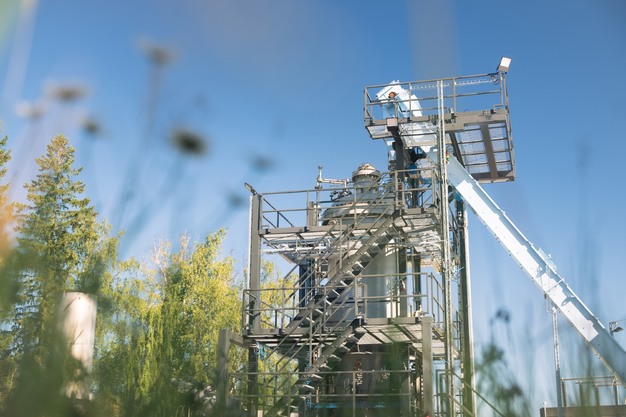 © Carbo CultureCarbo Culture production facility in Finland
Special production process
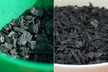
Biochar is produced through pyrolysis, a thermochemical process where organic material—such as agricultural residues—is broken down at high temperatures without oxygen. This process generates syngas as well as biochar, which consists of roughly 95% carbon. "What we put in as raw material comes out in its original shape, just about 20% smaller and black," Jack explains matter-of-factly.
Carbo Culture uses a patented, specialized process to produce its biochar. "Traditional pyrolysis often relies on a rotating horizontal system operating at slightly lower temperatures. We work with much higher temperatures—up to 900 degrees Celsius—and a stationary vertical process. This ensures the material comes out intact, producing a coarse biochar with a porous structure," Jack says. "Many new substrate materials are very fine. Our coarse biochar adds extra air to substrates, improves water retention, enhances drainage, and also stimulates microbiological activity."
"The best biochar"
Interest in biochar for substrate mixes is steadily increasing in horticulture, especially now that pressure is mounting on peat use and stone wool is sometimes being replaced by organic substrates. Biochar fits well into these organic mixes. "I believe we produce the best biochar," Jack says confidently, pointing to their unique production method. Compared to other approaches, Carbo Culture's process delivers both the highest amount of biochar and the most energy. "Our process releases as much energy as gasification while producing the same amount of biochar as conventional pyrolysis."
 © Carbo Culture
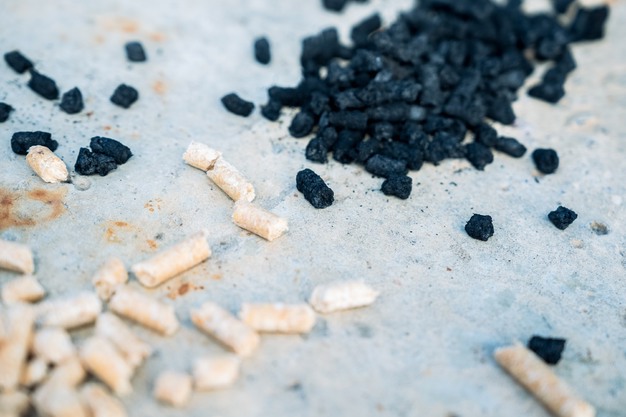
Carbo Culture's biochar is 4-8 millimeters in size and, due to its unique properties, well-suited for growing substrates.
Factory in greenhouse horticulture cluster
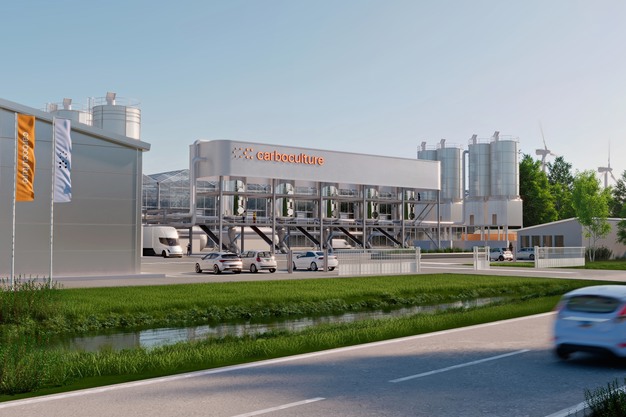
Carbo Culture aims to have its first large-scale facility up and running by 2027, designed to capture CO₂ directly from the atmosphere while producing biochar. Once operational, the plant will generate around 40,000 cubic meters of biochar per year and deliver 11.7 megawatts of energy every single hour, running 24/7. "That's a huge amount," Jack emphasizes. In the years that follow, the company plans to rapidly expand the number of factories.
The exact location of the first site has not yet been revealed. What is clear, however, is that proximity to energy consumers will be key. "Raw materials and biochar are easy to transport, but energy is more difficult," Jack explains. "That's why we want to build the plant close to a greenhouse cluster or another major energy user."
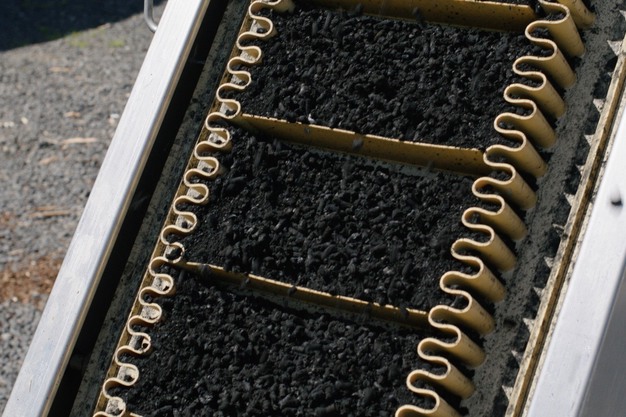 © Carbo CultureA new factory will need to produce large volumes.
Seeking residual streams
Until the first large-scale factory is up and running, Jack and his colleagues are focusing on raising awareness of Carbo Culture and its products. Possible applications for biochar are already being explored, such as its use in orchid cultivation, soft fruit production, and casing soil for mushroom growing. Jack is also searching for potential raw materials. These could include various agricultural side streams—such as crop residues, rejected or surplus produce, or coarser by-products like fruit pits and nutshells.
Most of these residual streams need pre-treatment before Carbo Culture can use them, typically drying and pelletizing. In Finland, extensive lab testing is underway, and when results are promising, larger-scale trials are carried out in the company's test reactor.
Substrate trials with biochar are also in progress. An upcoming tomato trial will test mixes containing different percentages of biochar. Carbo Culture is open to supporting growers with small-scale practical trials as well, in collaboration with substrate producers.
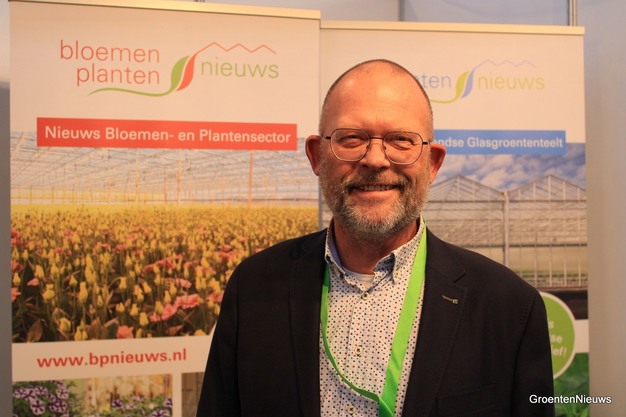 © Eelkje Pulley | FloralDaily.comJack at HortiContact 2025
For more information:
Jack van Batenburg
Carbo Culture
[email protected]
https://carboculture.com/