

In a world where sustainability is no longer optional, the concept of Positive Agriculture is emerging as a global call to action. Promoted by the World Business Council for Sustainable Development (WBCSD), this framework invites agribusinesses not only to minimize harm to nature, but to actively restore ecosystems, strengthen climate resilience, and improve the quality of life in rural communities.
In Colombia, these principles have been rooted in the floriculture sector for more than three decades—often before the term itself existed. As Daniela España, Sustainability and Environmental Affairs Director at Asocolflores, explains, "Positive Agriculture goes beyond complying with the law — it's about restoring what has been lost, protecting biodiversity, and leaving territories better than we found them."
 © Asocolflores
Through the sustainability standard Florverde Sustainable Flowers, Colombian flowers have benefited from one of the most advanced frameworks for measuring environmental and social performance in the global flower industry. Established in 1996, the program now gathers over 1.5 million digital data points on key indicators such as water consumption, energy efficiency, waste management, and labor conditions.
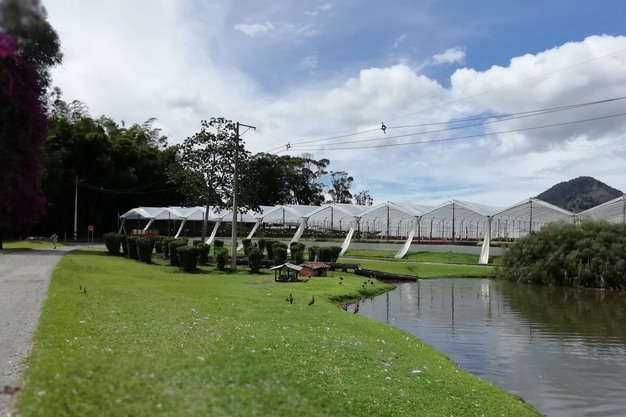
Today, more than 60 percent of the water used in flower production comes from harvested rainwater — stored in reservoirs that have become habitats for aquatic and endemic birds once threatened by the loss of wetlands in the Bogotá Savanna. In parallel, many flower farms have established native species propagation banks, which contribute to ecosystem restoration in municipalities such as Facatativá, Suesca, and Nemocón.
These practices embody the three pillars of Positive Agriculture outlined by the WBCSD: ecosystem regeneration through biodiversity conservation and soil recovery; climate mitigation and adaptation, including the reduction of emissions and sustainable water use; and improvement of rural well-being by strengthening local employment and partnerships with surrounding communities.
As Sergio Rengifo, Executive Director of CECODES (the Colombian chapter of the WBCSD), notes, "Colombian floriculture already demonstrates many elements of Positive Agriculture — measurable practices, innovation, and collaboration across sectors. What remains is to align these efforts under a shared vision that tells the world a powerful story."
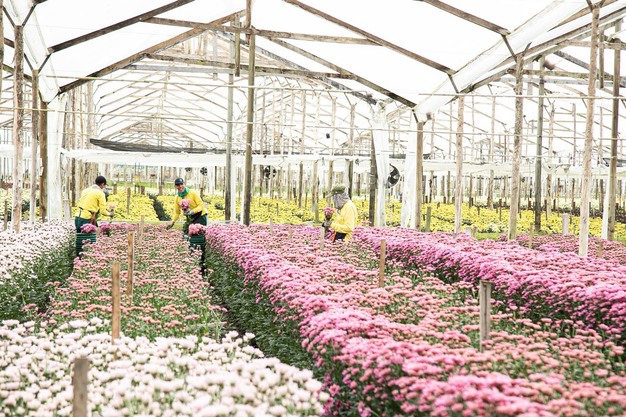
The adoption of Positive Agriculture is not just an environmental agenda — it's a business strategy. Colombia exports flowers to more than 100 countries, making it the world's second-largest exporter of cut flowers. Meeting the expectations of international buyers increasingly means demonstrating traceability, responsible production, and climate alignment across the supply chain.
 © Asocolflores
Under initiatives such as the European Green Deal, the Corporate Sustainability Reporting Directive (CSRD), and due diligence regulations, importers are raising the bar for transparency and accountability. Colombian growers are already ahead: through the Florverde certification and the sector's carbon footprint calculator, implemented since 2012, they can quantify and communicate their environmental performance to buyers in Europe, the United States, and Japan.
"The Colombian floricultural industry has always been one step ahead of regulation," adds España. "While these standards will soon become mandatory elsewhere, for Colombian flower growers they are already part of how we grow — responsibly and with purpose."
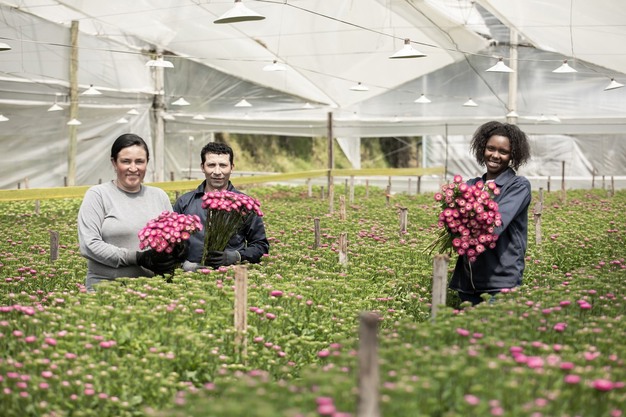 © Asocolflores
As global supply chains move toward stricter sustainability frameworks, Colombia's flower industry is positioned to lead by example. Positive Agriculture offers not only a roadmap for environmental restoration, but also a competitive advantage: access to high-value markets, resilience against climate risks, and a stronger reputation as a sector that cultivates both life and value.
For more information: Asocolflores
https://asocolflores.org/