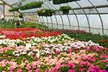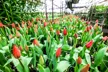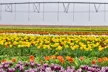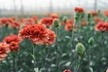


At a small nursery in Tarnab, the bustling hub of Peshawar's floriculture trade, Qadir works against time by watering, trimming and preparing thousands of plants ordered by educational institutions including schools, colleges, universities and public offices in Khyber Pakhtunkhwa for December's Gul e Dawoodi exhibitions.
With the annual flowers exhibition at historic Islamia College Peshawar around the corner, Qadir and his two helpers have little room for pause. "All the ordered stock will be ready by the end of this month," he smiles, brushing soil off his hands. "We even import Gul-e-Dawoodi saplings from Pattoki, Kasur district, to meet the winter demand of our clients."
For motivated Qadir, who inherited the business from his father, floriculture is not merely an income source but it is a legacy of colour, determination and hope. The soaring transportation costs, rising labour wages and plant losses due to harsh weather cut deep into profits, he reiterated.
"If floriculture is declared an industry, it would change everything positively in KP," he said. "KP has enormous potential for this vital sector. This field can empower women and youth, and help Pakistan tap into billion-dollar global flowers markets."
Read more at Islamabad Post