


Horticulture and floriculture leaders have welcomed confirmation that the European Commission can now begin negotiations with the UK on a new EU–UK Sanitary and Phytosanitary (SPS) Agreement—a development widely viewed as essential for restoring fluid and predictable trade in plants and flowers.
The Horticultural Trades Association (HTA), Union Fleurs and the European Nurserystock Association (ENA) have long advocated for this mandate, which stems from the Common Understanding of 19 May 2025. With formal authorisation secured, negotiations can now begin in earnest. The associations urge both the EU and the UK to engage, deliver, and implement an SPS Agreement as swiftly as possible, stressing that it would bring structural and vital relief from the trade frictions, restrictions, and costs affecting the supply chains of plants, plant products, cut flowers, bulbs, and seeds. A well-constructed agreement, they add, will be essential to restoring business predictability, removing barriers and unlocking green growth and investment across the UK and the EU.
With this mandate now in place, the three organisations have outlined three core priorities they believe must guide the next phase of EU–UK cooperation.
A fully comprehensive SPS Agreement
The associations underline the need for an SPS Agreement that fully covers horticulture and floriculture, restoring frictionless trade while maintaining strong biosecurity standards. They argue that a robust agreement would ease delays and uncertainty, give businesses confidence to plan ahead and reduce the administrative pressures that have accumulated since 2021.
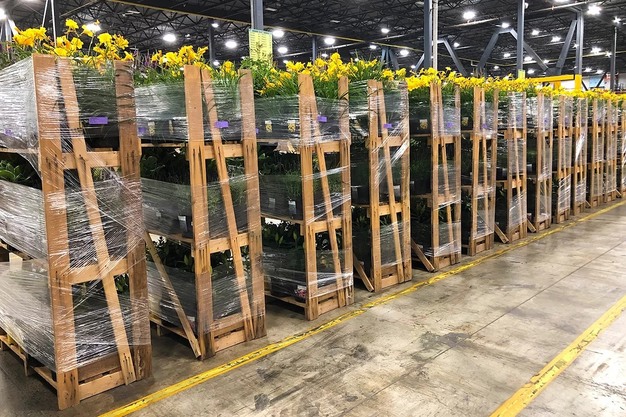 © AIPH
Jennifer Pheasey, Director of Policy and Public Affairs at the HTA, emphasised the importance of progress on this front. She said: "We have awaited this mandate to take us another step towards critical negotiations that have the potential to lift the unnecessary burdens and border pain horticultural businesses are experiencing. We wholly support and ask for the UK-EU SPS agreement to be concluded and implemented as soon as possible. In the meantime, we seek action and pragmatism at the border to restore confidence and alleviate the significant costs facing many of our members. By working in partnership, collaboratively and constructively, we believe we can unlock green growth for all those involved in horticultural supply chains, and deliver for UK gardeners, green spaces and support healthier communities."
Involving sector associations in the negotiations
HTA, Union Fleurs and ENA stress that sector associations must be directly involved in shaping the Agreement. Their technical knowledge, they argue, is essential to ensuring that the final text is operationally feasible and capable of genuinely resolving the complex logistical and phytosanitary challenges that supply chains have been navigating for several years.
Sylvie Mamias, Secretary General of Union Fleurs, reinforced the need for strong sector involvement as negotiations begin. She said: "Together with the HTA, European associations of the sector and national member organisations, Union Fleurs will continue to advocate towards EU and UK policymakers to ensure that floriculture and horticulture businesses on both sides can benefit as early as possible from a concrete, comprehensive and operational EU–UK SPS Agreement. This Agreement will offer lasting relief from the current cross-border challenges and trade frictions that have impeded the movement of highly perishable and sensitive flowers and plants between the EU and the UK since 2021. Most of all, businesses on both sides urgently need predictability and certainty to be able to continue delivering high-quality flowers and plants to consumers."
Urgent UK measures to relieve pressure and stabilise supply chains
While negotiations progress, the associations are calling for immediate, pragmatic measures on the UK side so that businesses can benefit from relief before the SPS Agreement is in force. They specifically urge the UK to return inspections of high-risk plants to the Place of Destination and to stop inspections on medium-risk cut flowers—two steps they say would provide vital short-term support to businesses handling highly perishable products.
ENA President Tim Van Hulle highlighted the pressure felt by nurseries navigating both climate-related production challenges and administrative burdens. He said: "Working closely together with the UK creates extra dynamics for our industry and all nurseries involved. Due to climate change, our production companies are facing a lot of challenges to continue to achieve the high-quality standards our sector seeks. Increasing trade-related bureaucracy is not helping producers dedicate their time and passion to produce good-quality plants. This development towards the next phase is therefore highly appreciated to enable a smoother transition of plants between the EU and the UK."
For an international green sector built on perishability, tightly integrated logistics, and narrow delivery windows, the start of negotiations represents a welcome opportunity to improve the conditions under which plants and flowers are transported. Although highly sensitive to disruption, these supply chains are remarkably adaptable and stand to benefit quickly from any practical relief or efficiencies that enhanced EU–UK cooperation may deliver.
For more information:
AIPH
[email protected]
www.aiph.org