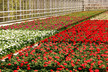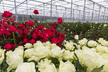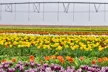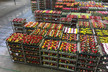


India's fresh flowers market is witnessing steady growth, expanding by 8 to 12 percent annually, driven by weddings, festivals, corporate events, and a rising demand for premium floral decor, explains MD Rafiulla, Managing Director of HR Floritech. "Greenhouse-grown flowers are increasingly preferred for their consistency and longer vase life compared to open-field varieties," he notes.
Weddings remain the primary consumption driver, particularly in southern states like Karnataka, Tamil Nadu, Kerala, and Telangana, where floral offerings are integral to tradition and ritual. "Major urban cities add substantial volume with corporate gatherings and destination weddings. Seasonal spikes occur during festivals like Diwali, Onam, Dussehra, and Pongal," says Rafiulla. He adds that the success of fresh flowers is linked to their natural fragrance, vibrant colors, biodegradability, and support for rural livelihoods. Their texture, longevity, and performance under event lighting naturally lift the ambiance and photographic appeal.
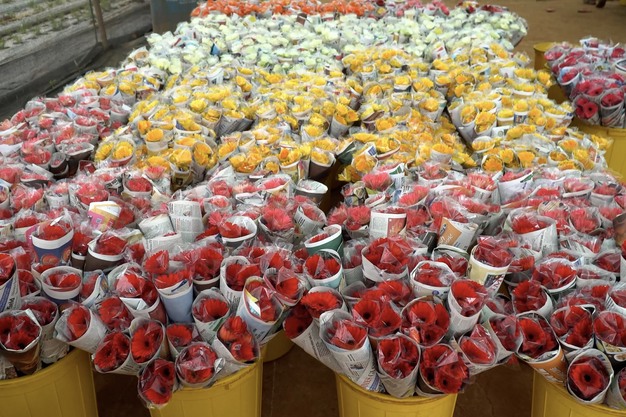 © HR Floritech
The industry is observing a distinct shift in design trends adopted by event decorators and planners. Rafiulla explains, "Preference is moving more towards pastel tones, minimalist arrangements, and garden-style aesthetics. There is also an increasing use of foliage and airy arrangements rather than dense bunches." He shares that while chrysanthemums, gerberas, carnations, roses, and gypsophila remain popular, demand for specialty flowers like celosia, snapdragons, limonium, lisianthus, and hydrangeas is growing due to their unique textures, colors, and durability.
Artificial flowers still occupy 20 to 30 percent of the decor market, Rafiulla says, largely because they are cost-effective, reusable, and low maintenance. However, he highlights that plastic decor significantly impacts rural flower growers and labourers whose livelihoods depend on the fresh flower economy. These artificial decorations seem convenient but persist in landfills and natural habitats as they do not break down. In response to these environmental and economic concerns, the Growers Flower Council of India (GFCI), which represents the entire fresh flower supply chain, is actively advocating for the reduction of plastic flower use and promoting sustainable practices throughout the industry.
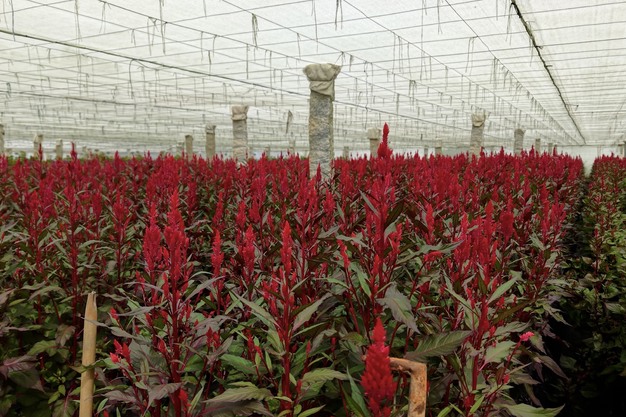 © HR Floritech
The sector primarily supplies wholesalers, retail markets, wedding decorators, and events. Direct sourcing from growers offers significant advantages, Rafiulla explains: "Buyers get farm-fresh flowers harvested just hours before dispatch, stable year-round pricing, customization for specific colors and sizes, consistent quality assurance, streamlined communication, and cost savings by eliminating intermediaries. They also gain access to specialty varieties like lisianthus and hydrangeas with guaranteed freshness." This model fosters mutually beneficial, long-term relationships between buyers and growers. He also notes that growers are adopting more automation and climate-controlled environments, further improving flower quality consistency.
Looking ahead, Rafiulla thinks India's flower industry is well positioned to meet both domestic and export needs. "The industry's steady growth is supported by varietal diversification and adoption of technology. Specialty blooms like lisianthus and hydrangeas are seeing rising demand, reflecting a move towards premium markets. The focus on sustainability and quality standards will play a big role in the sector's future," he concludes.
For more information:
Md. Rafiulla
HR Traders
Tel: +91 98 45 216 175
Email: [email protected]
Rahil Khan
HR Traders
Tel: +91 96 11 926 701
Email: [email protected]
Raheem Khan
HR Traders
Tel: +91 90 08 142 373
Email: [email protected]