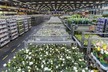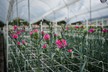


Ethiopia is possibly entering the next stage in modernizing its horticultural sector. With a diverse array of fruits, vegetables, and ornamentals, the nation is increasingly recognizing the shortcomings of traditional open-field cultivation amid climate uncertainties and market demands.
According to Mekonnen Solomon, Horticultural Export Coordinator at the Ministry of Agriculture (MoA), the country is now "positioned to link its natural production advantages with modern protected-cropping systems and a rapidly growing export market in the Gulf region."
 © FDRE
Rising demand meets untapped capacity
Ethiopia produces about 20.47 million tonnes of fruits and vegetables each year, yet less than 6% reaches international markets despite a surplus of over 13 million tonnes. "Recent data from the Ethiopian Horticulture Producers and Exporters Association highlights that in the 2024/25 fiscal year, horticulture exports generated $564.9 million, with ambitions set at $735 million for the current period. Furthermore, in the first five months of the ongoing fiscal year, exports have already surpassed $216 million, driven largely by flowers, fruits, and vegetables."
 © FDRE
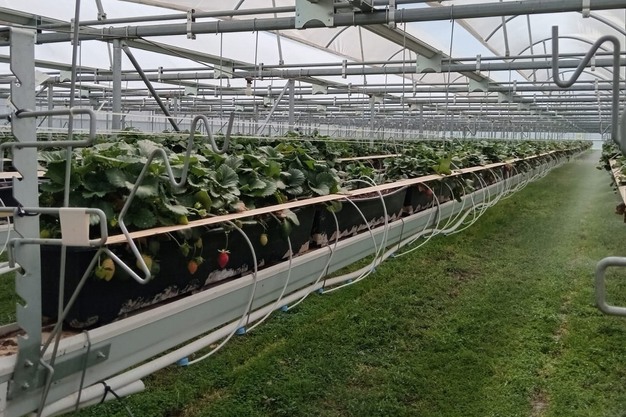
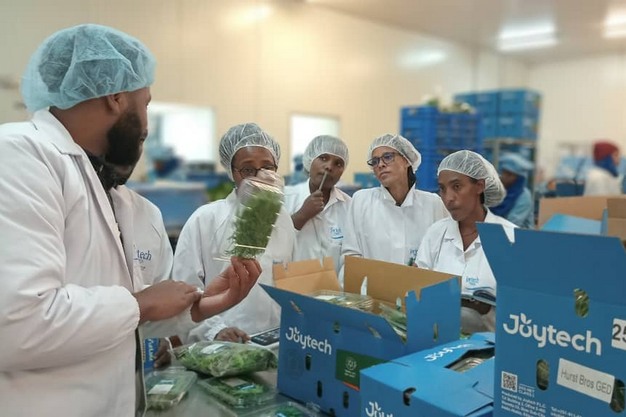
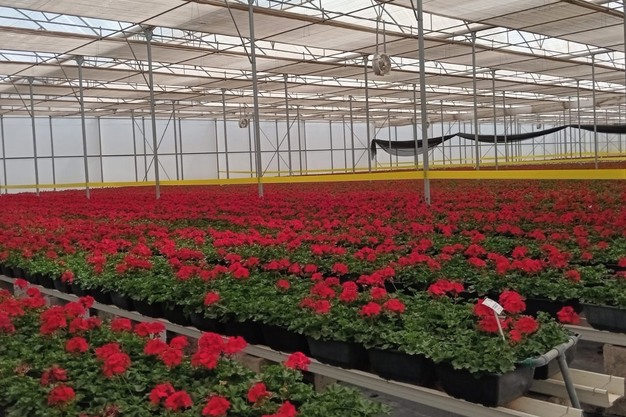
Mekonnen notes that the issue is not production but gaps in technology, systems, and export-oriented infrastructure. "Greenhouse adoption remains nascent and predominantly low-tech, with floriculture overshadowing vegetable production. Growers exhibit enthusiasm for controlled environments, yet high construction costs and dependence on imported materials such as steel frames, protective films, and climate controls continue to hinder widespread implementation."
 © FDRE
Infrastructure and technology: Room for rapid improvement
Mekonnen mentions that in the broader Ethiopian agricultural landscape smallholder farmers dominate, often operating on plots under two hectares and contributing 95% of national output. "Initiatives like the Digital Agriculture Roadmap (2025-2032) aim to integrate digital tools across value chains, enhancing efficiency. Moreover, the greenhouse horticulture market, valued at $37.01 million in 2024, is projected to reach $71.56 million by 2033, growing at a compound annual rate of 7.60%. This expansion is fueled by government subsidies for structures and renewable energy solutions, such as solar-powered irrigation, alongside partnerships with international entities. However, challenges persist, including climate variability, resource scarcity, and the need for compliance with global standards like GlobalG.A.P. and HACCP."
Key constraints include greenhouse structure quality, irrigation systems, and climate control. "With little to no local manufacturing capacity, growers depend on imported steel structures, films, and climate equipment, increasing investment costs," he says. "Irrigation modernization is another priority, as drip systems, fertigation, and water-management expertise remain limited.
 © FDRE
Mekonnen Solomon, Horticultural Export Coordinator
Success stories like that of Eskinder Iyasu (a farmer who shifted to irrigated horticulture using a subsidized solar pump and now produces multiple crops year-round) demonstrate the transformative impact of improved irrigation."
He shares another story playing off in Dire Dawa, where the Burka Aneni farmer group, backed by the World Bank's Agricultural Growth Project II, transformed a barren quarry into a 20-hectare farming operation. "Starting with a hand-dug well and initial diesel pumps, they shifted to grid electricity, slashing operational costs and boosting annual income to $15,000 from crops like onions, tomatoes, and citrus."
Similarly, a collaboration between Hazera Seeds, the Joint Distribution Committee (JDC), and Greenlife under the TOV initiative established demonstration sites across regions like SNNPR and Amhara. By introducing hybrid seeds such as Tomato Galilea and Onion Russet alongside drip irrigation and pest management training, the program elevated yields and incomes, empowering smallholders through a revolving fund for sustained independence.
 © FDRE
Strategic alignment with Gulf market demand
"We are increasingly targeting the Gulf Cooperation Council (GCC), where high purchasing power and import dependence create strong demand for fresh produce." Ethiopia's geographic proximity offers a major advantage: the ability to deliver high-quality fruits and vegetables within hours, outperforming competitors from Asia or South America. To capitalize on this, exporters must meet GCC standards such as GlobalG.A.P., HACCP, strict traceability, and reliable cold-chain handling.
"The recently launched 10-Year National Horticulture Strategy (July 2025) focuses on this alignment, prioritizing food security, export diversification, and infrastructure development," he adds. "Collaborations with entities like the Ethiopian Horticulture Producers and Exporters Association, SNV, and the U.S. State Department aim to enhance the sector, generating employment and supplying agro-processing inputs."
 © FDRE
The role of greenhouses in export reliability
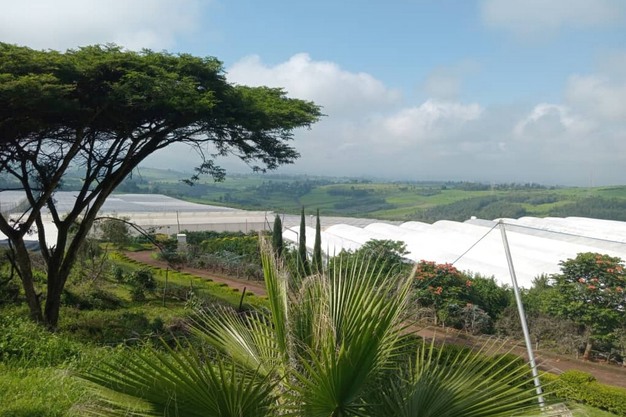
When elaborating on the potential of developing more greenhouses, Mekonnen shares that greenhouses can significantly enhance Ethiopia's export competitiveness by stabilizing supply, improving uniformity, and enabling off-season production. "Our country's midlands and highlands are particularly suitable for protected cultivation due to moderate temperatures." However, the sector still needs more durable medium-tech structures, affordable irrigation and fertigation systems, regional assembly capacity, stronger crop-management training, and improved cold-chain connections to export terminals.
Ethiopia is seeking partnerships with international greenhouse developers and technology providers to support design, construction, training, and market integration. At the same time, deeper engagement with Gulf trade bodies will help local exporters better understand market requirements and demand cycles.
For more information:
Ethiopian Ministry of Agriculture
www.moa.gov.et