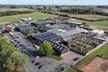

The red bracts and green foliage of the poinsettia may be a seasonal icon, but behind every flawless display is high‑tech glasshouse production, round‑the‑clock attention and thin margins. Today, only four Irish nurseries produce poinsettias (down from seven a decade ago), growing over 500,000 plants on about 18 hectares of climate‑controlled glasshouses. Here's how they do it — and why growers must get everything right to make a living.
Poinsettias (Euphorbia pulcherrima) originate in Mexico and Central America, where warm, sheltered winters favour the development of their showy coloured bracts. Over the last century, European breeders have turned the wild plant into the uniform, robust varieties we buy. While red remains dominant in Ireland, growers in continental Europe sell more novelty colours such as pink, white and speckled types.
It's a different market on the continent: "We sell 90–95% red locally, but on the continent it's closer to 50/50," says Paddy O'Dwyer, Grower Manager at the Uniplumo nursery in North Dublin. Good varieties combine dark green foliage, pointed bracts, regular branching and a neat V‑shape — traits breeders aim for to help growers and shoppers alike. O'Dwyer says on variety selection: "Our range is a bit like potatoes, with early, main and late selection spreading out the flowering season. Our first variety to colour up is called Christmas eve and Christmas time is the last."
Read more at RTE