
Colombia is globally recognized as one of the world's leading exporters of fresh-cut flowers. Every day, millions of stems travel from Colombian fields to markets across North America, Europe, Asia and the Middle East, accompanying celebrations and everyday moments. Yet behind each bouquet lies a story that is far less known: one of international cooperation, long-term vision, sustainability and resilience in global trade.
Over the past six decades, Colombia's flower industry has evolved into far more than an agricultural export sector. It has become a case study in how sustainable production, strong institutions and international partnerships can shape a competitive and trusted global value chain, one capable of adapting to a rapidly changing world.
 © Asocolflores
A sector born from cooperation
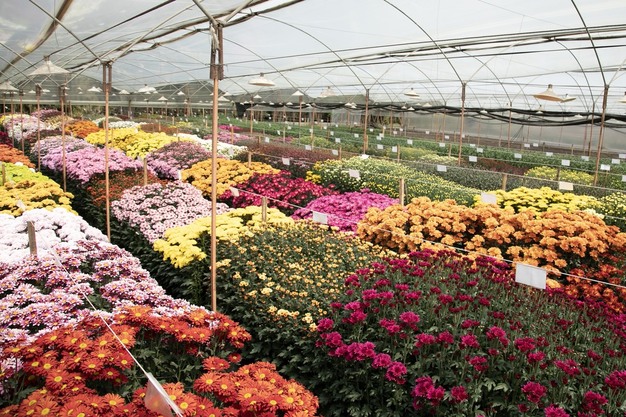
The origins of Colombian floriculture are deeply rooted in international collaboration. From its earliest days, the sector grew out of knowledge exchange between Colombian entrepreneurs, academic institutions and partners in the United States. This early cooperation laid the foundation for a production model that combined favorable natural conditions with technical expertise, innovation and a clear export-oriented vision.
Rather than developing in isolation, the industry was shaped through dialogue, learning and shared objectives. This collaborative DNA continues to define the sector today and explains, in large part, its ability to integrate into global markets while continuously raising standards in quality, efficiency and sustainability.
As the industry expanded, Colombian floriculture understood that exporting successfully required more than logistics and competitive pricing. It demanded trust. Over time, the sector built strong, long-standing relationships with international trade associations, importers, retailers and policymakers, particularly in key destination markets such as the United States and Europe.
This approach transformed trade into a form of economic diplomacy. Open communication, permanent dialogue and institutional cooperation became essential tools to address challenges, navigate regulatory changes and respond to market disruptions. In a global environment increasingly shaped by uncertainty and pressure, these relationships have proven invaluable.
The experience of Colombian floriculture demonstrates that trade disputes are best managed through confidence and collaboration rather than confrontation. Strong partnerships across the value chain have allowed the sector to remain stable, reliable and competitive, even in times of global tension.
Sustainability as a competitive advantage
One of the pillars of Colombian floriculture is its long-standing commitment to sustainability. Well before sustainability became a central topic in global trade and ESG discussions, the sector had already begun integrating environmental and social responsibility into its production model.
This commitment is embodied in Florverde Sustainable Flowers, a voluntary independent certification program developed by the industry that sets rigorous environmental, social and labor standards. Florverde goes beyond compliance, focusing on continuous improvement, data-driven management and transparency throughout the production process.
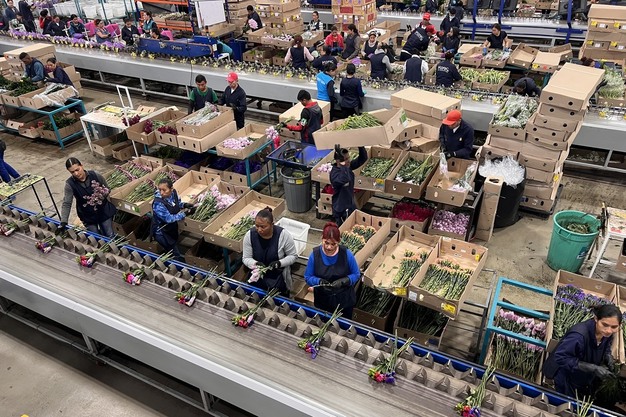
Today, sustainability is not an added cost but a strategic asset. Practices such as responsible water management, biodiversity conservation, reduced use of crop protection products and circular economy initiatives have strengthened the sector's credibility in demanding markets. For international buyers and consumers, Colombian flowers offer not only quality and freshness, but also confidence in how they are produced.
 © Asocolflores
In global markets where sustainability expectations are rising and traceability is increasingly required, this integrated approach has positioned Colombian floriculture ahead of the curve.
Resilience in a fragmented world
Recent years have tested global supply chains like never before. The COVID-19 pandemic, logistics disruptions, rising costs, inflation and geopolitical tensions reshaped international trade dynamics. Colombian floriculture was not immune to these challenges, but it proved resilient.
That resilience was not accidental. It was the result of decades of investment in innovation, diversification, risk management and cooperation across the value chain. By maintaining close relationships with logistics partners, airlines, distributors and retailers, the sector adapted quickly to shifting conditions while continuing to supply global markets.
This experience highlights a broader lesson: sectors built on sustainability, cooperation and long-term planning are better equipped to withstand global shocks. In an increasingly fragmented world, resilience has become as important as efficiency.
 © Asocolflores
Why flowers still matter
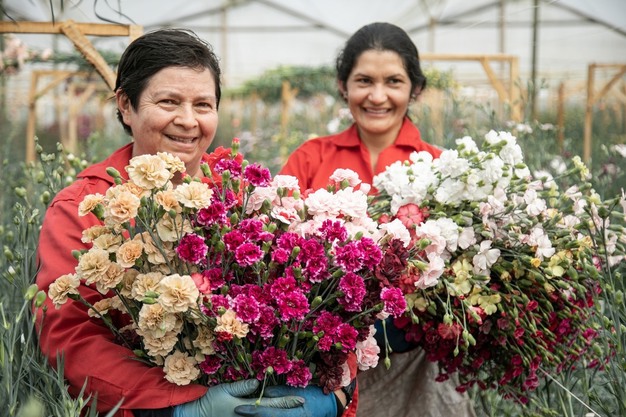
Beyond trade and economics, floriculture plays a significant social role. The sector is a major source of formal employment in rural areas and is characterized by strong female participation. In many regions, flower farms are anchors of local development, supporting education, infrastructure, environmental projects and community wellbeing.
Flowers are often perceived as a luxury product, yet their production sustains thousands of families and contributes to social stability in the territories where they are grown. This combination of economic value and social impact reinforces the sector's relevance in discussions about inclusive growth and shared value.
The story of Colombian floriculture offers an important message for global trade at a time of uncertainty. It shows that openness, cooperation and sustainability are not opposing forces but complementary ones. It demonstrates that agricultural exports can meet the highest international standards while delivering social and environmental value.
As global markets evolve and expectations continue to rise, the experience of Colombian flowers illustrates what is possible when trade is built on trust, long-term relationships and a commitment to doing things well.
In a world where borders often seem to close, flowers continue to open doors.
For more information:
Asocolflores
https://asocolflores.org/