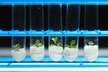


To address the soil degradation and growth inhibition caused by long-term monoculture of the medicinal plant Chrysanthemum morifolium Ramat. (Hangju), researchers conducted a controlled experiment comparing a monoculture (control) with seven different intercropping combinations.
The intercropping treatments consisted of the main crop paired with pepper, schizonepeta, edible amaranth, dandelion, maize, soya, and purple perilla. Comprehensive assessments were conducted, encompassing plant growth parameters and rhizospheric soil properties. The soil properties included physicochemical characteristics, enzyme activities, and phenolic acid content (4-hydroxybenzoic acid, vanillic acid, and ferulic acid). The results indicated that intercropping significantly altered the rhizosphere environment of Hangju (p < 0.05). Purple perilla and maize emerged as particularly effective companion plants. Intercropping with purple perilla enhanced the aboveground biomass accumulation of Hangju and increased the activities of rhizosphere catalase, sucrase, β-glucosidase, and neutral phosphatase, although it also elevated the contents of three autotoxic phenolic acids. In contrast, intercropping with maize improved Hangju biomass and enhanced the activities of sucrase, urease, neutral phosphatase, and protease, while concurrently reducing the concentrations of all three phenolic acids.
Overall, maize demonstrated optimal performance in comprehensively improving soil health by modulating enzyme activities, whereas purple perilla showed a distinct advantage in directly promoting plant growth.
Lei, M.; Zhu, Z.; Wang, C. Intercropping with Different Companion Plants Affects the Growth and Soil Properties of Chrysanthemum morifolium. Agronomy 2026, 16, 119. https://doi.org/10.3390/agronomy16010119
Source: MDPI