

In the Netherlands, a period of snow and icy conditions disrupted daily life and transport, creating challenging circumstances for the flower trade. Auctioneer Paul Freriks reviewed the impact of severe winter weather on the auction clocks, focusing on price developments and market demand, and assessed how the sector coped under difficult conditions.
 © RFH
© RFH
"The logistical challenges were considerable, ranging from cancelled public transport to long traffic jams," Freriks explained. "Road conditions were hazardous and consumers tended to stay at home. While supermarket bouquets still found their way into shopping baskets, street sales and garden centres faced more difficulty due to empty car parks."
Prices remain resilient
Despite the challenging conditions, prices at the auction clocks remained relatively stable. Although there was some overall softening, many products continued to perform well. Demand for spring products such as tulips, daffodils, muscari and hyacinths held up reasonably well. Traditional staples, including lilies, alstroemeria, anthurium and chrysanthemums also remained in demand. Cut cymbidium orchids struggled initially, but later showed encouraging signs of price recovery.
In the plant segment, large green plants, such as sizeable ficus, maintained stable demand. There was also ample availability of potted phalaenopsis orchids and popular winter bulbs in pots, including crocuses and irises, which help create a cosy indoor atmosphere during the winter season.
Heroes on the road and the work floor
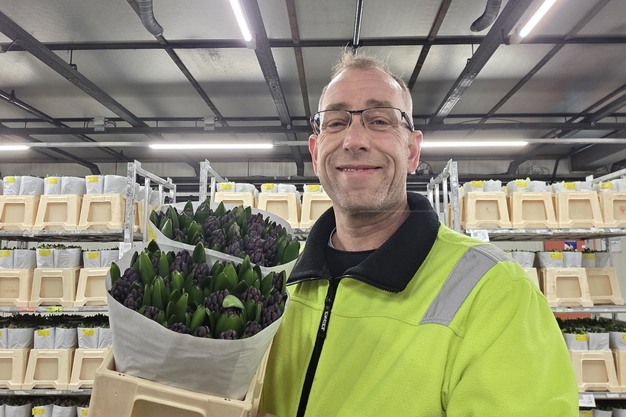
"All drivers deserve great credit," said Freriks. "They braved the cold and icy roads to ensure flowers and plants were delivered on time. The same applies to our auction staff, who were on site early every morning despite the weather to keep trade running smoothly. Thanks to their efforts, operations continued without major disruption."
He also highlighted the resilience within the sector. "What stands out is the positive attitude across the industry. Despite the challenges, growers and buyers supported each other where needed. There was frequent communication to keep everything running smoothly. It shows the strength of the ornamental horticulture sector, especially when conditions are tough."
Looking ahead: love drives the market
As weather conditions improve, Freriks expects demand for flowers to increase again, supported by the traditional Valentine's period, which marks the start of the annual peak season. Red remains the dominant colour, followed by white and pink. "The sector is ready for it," he concluded.
For more information:
Royal FloraHolland
https://www.royalfloraholland.com/