

In Belgium, Lidl has decided that all roses sold in its stores will now be Fairtrade certified. With this move, the retailer has fully transitioned its rose assortment to certified products, aiming to support improved social and environmental conditions within the international flower supply chain. According to Lidl, the decision benefits both African flower growers and Belgian consumers who want to make a more sustainable choice without additional effort.
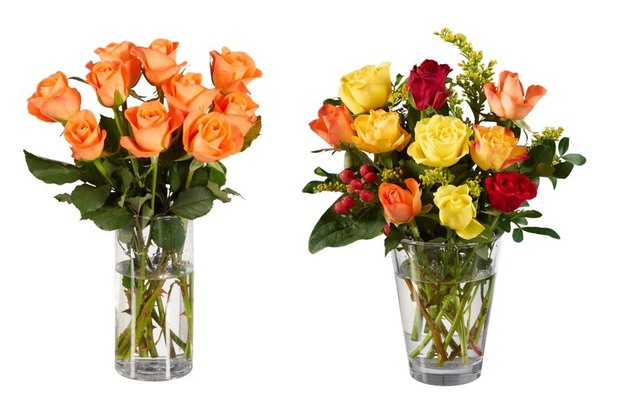 © Lidl
Lidl increases sustainability commitment
Lidl Belgium has further expanded its focus on sustainable, fair, and responsible trade. Following earlier steps such as Fairtrade-certified chocolate and coffee under its Way To Go private label, and bananas that contribute to a living income, roses have now also been added to the Fairtrade portfolio. As a result, customers purchasing roses at Lidl automatically choose fair trade.
The retailer describes the decision as a logical extension of its long-standing Fairtrade strategy. In 2025, Lidl was named Fairtrade Frontrunner of the Year for the third consecutive time in the category 'Fairtrade premium generated by retailers'. By switching its entire rose category to Fairtrade, Lidl reinforces that position.
"We are proud to offer our customers the certainty of a 100% fair product, without compromising on freshness or price," said Isabelle Colbrandt, spokesperson for Lidl Belgium & Luxembourg. "Customers no longer have to choose: every rose sold at Lidl directly contributes to a better future for growers."
A choice with a big impact for workers
Lidl offers Fairtrade roses across a range of price points, from mono bunches of 10 stems to larger rose bouquets with greenery. Through a guaranteed Fairtrade minimum price and an additional premium paid directly to workers, the retailer contributes to structural improvements on flower farms. These funds are used to improve working conditions, support local education, and invest in more climate-friendly cultivation methods.
With annual sales of more than 8 million single roses in Belgium, Lidl states that its decision to move entirely to Fairtrade results in a substantial and tangible impact on the international flower sector.
Figures from Fairtrade indicate that approximately 14 million Fairtrade-certified flowers are sold in Belgium each year. In 2024, this generated €119,000 in Fairtrade premium payments, paid on top of the market price to around 75,000 workers. The premiums are mainly invested in education, healthcare, and financial support for workers and their families. According to Fairtrade, Lidl's decision strengthens this trend and demonstrates that sustainability can be a standard choice rather than a niche.
A clear signal to the market
By applying Fairtrade standards across an entire product category, Lidl is sending a clear signal to the market, says Philippe Weiler, CEO of Fairtrade Belgium. "The international flower sector faces major challenges. Workers often lack adequate protection, women are systematically disadvantaged, and soil pollution remains widespread. Lidl's decision shows that a different approach is both possible and necessary. We hope this step will encourage other retailers and companies to make the same sustainable choice."
Source: Lidl