

Anyone working in ornamental horticulture knows how important healthy plants are. Yet problems can sometimes be difficult to identify. What begins with a discoloured leaf or stunted growth can have many different causes. For such questions, Eurofins Agro has a unique role: the PlantDoctor. Laura Kuijpers fulfils this role with great enthusiasm.
Kuijpers studied Forest and Nature Conservation with a focus on ecology at Wageningen University & Research. During her studies, she lived in Wageningen. Nearly ten years ago, she started at Eurofins Agro, literally at the foundation of the research: in the weighing facility, where samples are processed. She also worked at the reception desk, gaining an inside-out understanding of the company. When a PlantDoctor position became available, she immediately knew: this was what she wanted. She applied—and now, almost five years later, she is firmly established in the role.
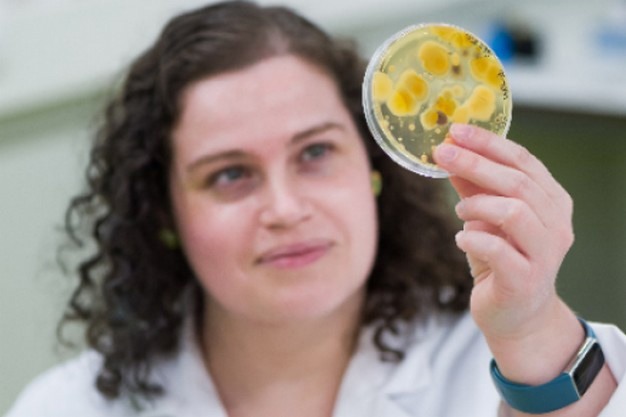
The profession of PlantDoctor is rare. Eurofins has three, but outside the organisation it is quite uncommon. What does the job involve? "We assess how a plant is functioning, down to the cellular level," Kuijpers explains. Anything can come across her desk: substrate, water, trees, vegetables, fruit, Christmas trees and of course ornamental crops. The work almost always begins with a diagnostic investigation. Growers send plants when they suspect something is wrong. The plant is then treated like a patient.
The symptoms found in the plant, combined with the grower's observations, form an initial picture. After that, the real detective work begins, Kuijpers explains. "To reach a definitive diagnosis, the plant is dissected piece by piece: from leaf to root, often down to deep cellular levels using microscopy. Just like a medical doctor, we rule out possible causes step by step until the core problem becomes visible. The findings are documented in a report, optionally supplemented with cultivation advice. This advice focuses on practical measures growers can take to prevent or manage the issue."
 © Eurofins
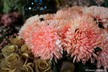
What Kuijpers enjoys most is the dynamic nature of the work. "You don't know what you haven't discovered yet," she says. "For a grower, encountering an unknown disease - such as a (new) fungus- is far from ideal. But when it happens, an intensive investigation begins, often starting with microscopy to detect fungal structures. What you see under the microscope can be visually spectacular. Nature as an art form." Using DNA techniques, Eurofins can then identify the exact nature of a fungus and determine its identity. "In this way, we dissect the problem and work towards a solution for the customer. That makes the whole process exciting and valuable," Kuijpers says.
From her field of expertise, Kuijpers sees several important points of attention for ornamental horticulture. "Hygiene is crucial, especially for young plants. The use of clean water is essential in the early stages of root development. We regularly encounter plants from greenhouses where recirculated water is used without disinfection. This poses major risks for disease and plant loss."
She also sees many virus-related issues in ornamental crops, often transmitted by thrips. Viruses such as tomato spotted wilt virus (TSWV) and impatiens necrotic spot virus (INSV) are still common and difficult to control. "Vigilance is key. Growers should monitor their crops closely: take sticky traps seriously, watch for increases in thrips populations and look for (round) spots and abnormalities on plant leaves. If you suspect issues in your crop, don't wait. Grab a plant and cut it open. Discolouration in the stem or root is often a clear signal," Kuijpers concludes.
For more information:
Eurofins Agro
[email protected]
https://eurofins-agro.com