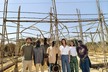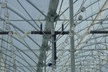


Ahmet Dundar, President of the Ornamental Plants Producers Sub-Association (SUSBIR), announced that they have initiated efforts with the ministry regarding the damage to greenhouses caused by the strong southerly winds that affected Yalova. Dundar urged growers to take out TARSIM (Agricultural Insurance Pool) insurance, emphasizing the need to strengthen the insurance pool.
Following the severe southerly winds that negatively impacted ornamental plant growers in Yalova, damage assessment and compensation processes have accelerated. Ahmet Dundar stated that they contacted the Ministry of Agriculture and Forestry after the damage caused by the storm to greenhouses and that they are closely monitoring the process.
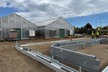
Dundar stressed the significance of the insurance system for the sector's future, offering detailed accounts of the disaster's magnitude and the talks with the ministry. Addressing the matter, President Dundar remarked, "In the wake of the strong winds that struck our region on January 8th, considerable damage was inflicted on our businesses and growers' facilities. This damage encompassed superficial issues like torn plastic coverings, as well as, regrettably, businesses where facilities with steel structures were entirely demolished. In response, our District Agricultural Directorates and the Yalova Provincial Directorate of Agriculture and Forestry promptly visited the field. We took part in these damage assessment studies as representatives of SUSBIR. We informed our producers about the possible actions regarding these damages and collected their requests. Due to their complexity, greenhouses necessitate a more thorough evaluation for inclusion in TARSIM insurance coverage. In fact, we have had requests from our growers in this regard. They requested the list of parts belonging to equipment in glass greenhouses that need to be included in the inventory. Moreover, and this is a highly delicate matter, there exists a request for compensation concerning indirect damages to the products. All of these requests were collected into a file, and we met with the Head of the Department of Natural Disasters and Agricultural Insurance at the Ministry of Agriculture last week. We communicated to them the issues encountered in the field. They listened to our requests about how to address these grievances and took notes. We provided the Head of the Department with explanations about potential actions related to new insurance policies, compensation payments for damages incurred, and other payments in the near future. They indicated that they would assess the potential actions and take necessary measures going forward."
Dundar underlined the agricultural sector's vulnerability to risks and its connection to the TARSIM system, stating, "The entire agricultural sector is a production area very susceptible to natural disasters and is a sector exposed to these risks. This applies to the entirety of agriculture. Hence, in areas of high risk, insurance premiums are correspondingly elevated. In fact, one of the crucial aspects to highlight is this: Even though our state offers subsidized support at a rate of 50% and we have been promoting this among our producers for years, we regretfully do not observe the level of participation in insurance coverage from them that we would like to see. Sadly, insurance only comes to mind when a catastrophe happens. TARSIM, on the other hand, is a pool for agricultural insurance. The only way to strengthen this pool is with everyone's involvement. When everyone takes part, premiums will decrease as well. The key issue is to guarantee the system works as it should. When the system works well, it benefits everyone. These companies are at risk from heavy snowfall and the snow load it causes. There is a risk of flooding and water damage. Unfortunately, the storm we went through in the last few weeks posed a significant risk. Hail poses a significant risk as well. For TARSIM to endure all these risks, all our producers must insure their facilities through the TARSIM scheme."
Source: Yalova Hayat