

Are leafy greens the new gold in the North American CEA market? Considering the popularity of the talks about them at Indoor Ag-Con, the answer is a definite yes. But at the same time, the whole CEA industry is still dealing with the aftermath of mistakes made in, among others, this crop, and new challenges on top of that.
Market developments
Indoor Ag-Con kicked off yesterday in Las Vegas. The event is known to be popular not only among growers and suppliers but also among investors, thus offering insights into where the CEA industry is heading. And this year, it's leafy greens.
Over the last decade, the US CEA market, including both greenhouses and vertical farms, has seen strong growth followed by a harsh slowdown, after the failure of several venture capital–backed companies, mainly, but not exclusively, active in the vertical farming industry. As this was preceded by the cannabis bubble, which also caused significant capital losses, investors refrained from entering the CEA industry. However, as powerful players, mainly in the greenhouse segment, continue to develop and grow, interest is returning — though projects are no longer on the scale they once were.
The current industry is also affected by tariffs, uncertainty, and H-2A visa rules, making it harder and more expensive for growers to address their labor challenges. Additionally, the industry relies heavily on foreign labor, and raids are affecting the agricultural workforce. On top of that, questions are being raised about whether there is still room for more players in the vine crop market, as upscaling has been key in recent years.
And then there are leafy greens. Highly automated facilities require less labor, the greenhouses being erected are able to produce more locally, and they offer clear benefits in the use of crop protection products and water compared to the open-field crops currently dominating the market. With that in mind, it is easy to understand why the lettuce tracks were highly popular at this year's Indoor Ag-Con. However, as the talks also clarified, it is not a plug-and-play model for making money. Setting up a greenhouse facility is no easy task, and as was mentioned in one of the tracks, if you take all the requirements of a good site into account — labor, utilities, logistics — even the US becomes a small country. And something that has been forgotten in the past: you also need to sell your product. Year-round, competitive with the open field supply, and at a proper price to pay your bills and, more often than not, keep your investors happy.
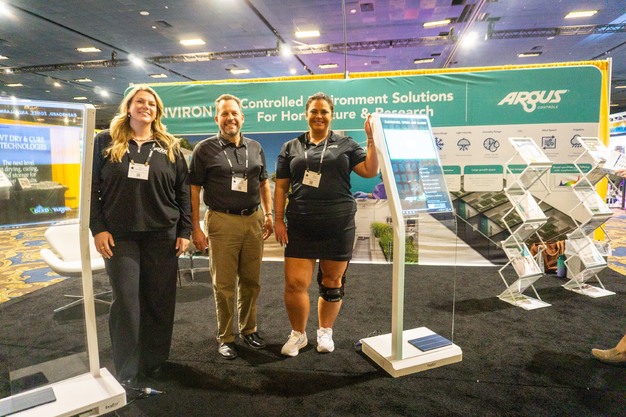
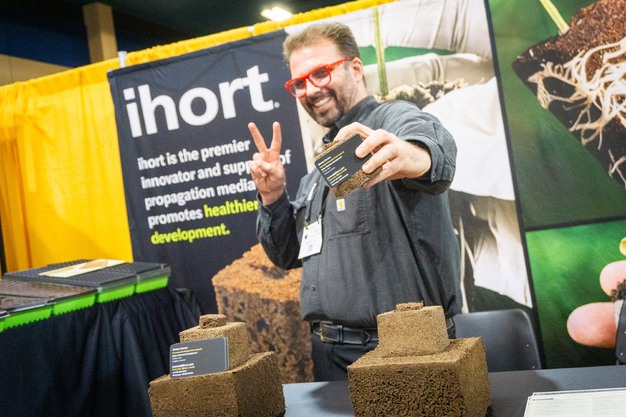
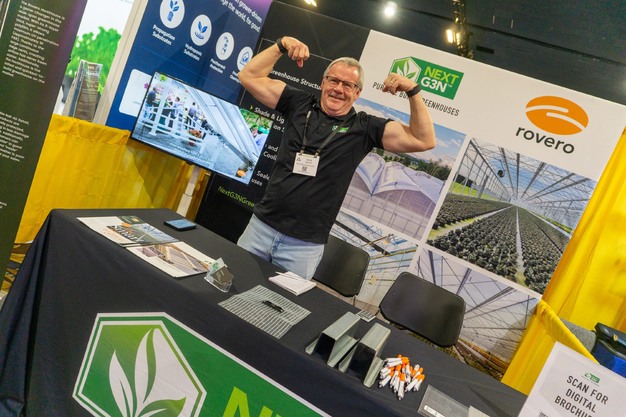
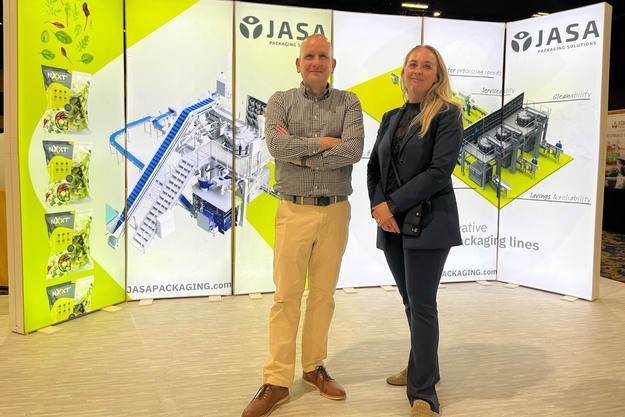
More on that in the coming weeks, as today is another day of educational tracks, and, of course, showtime. Here's a sneak peek of what can be found there:
 © Arlette Sijmonsma | FloralDaily.com
 © Arlette Sijmonsma | FloralDaily.com
 © Arlette Sijmonsma | FloralDaily.com
 © Arlette Sijmonsma | FloralDaily.com