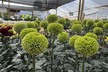


Flower prices in Belarus remain significantly higher than in neighbouring EU countries, particularly ahead of major holidays, despite the presence of several domestic producers. Entrepreneur and blogger Alexander Knyrovich commented on the situation in an interview with Filin.
According to Knyrovich, Belarusian producers such as DorOrs, the Minsk Greenhouse Plant and the Zhdanovichi agro-combine account for no more than 10% of total market sales. Based on indirect estimates, the Belarusian flower market is valued at around $200 million, with domestic producers supplying approximately $20 million.
Belarus relies heavily on imports, as most planting materials and inputs are also sourced abroad. In small-volume markets, producers cannot compete with mass production on price and instead compete in niche segments.
He adds that while demand increases before 14 February and 8 March across Europe, EU markets benefit from higher average incomes, stronger competition, lower wholesale and retail margins, and the advantages of the single EU market. In Belarus, by contrast, import barriers and limited volumes contribute to higher mark-ups.
Knyrovich describes the pre-holiday pricing model as one in which sellers aim to earn substantial margins within a few peak days, compensating for limited annual volumes. He also notes that regulatory requirements have increased costs for vendors, including restrictions on selling flowers not grown by the seller and mandatory social security contributions, which must now be paid in full regardless of the number of days worked.
Regarding long-term competitiveness, Knyrovich points to the Netherlands' historical expertise and established industry "school" as key advantages. He argues that if Belarus were to support private growers through tax incentives rather than relying on state enterprises, it could develop its own expertise over time.
Source: gazetaby.com