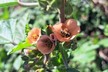


Flower strips are used as a multifunctional agronomic tool because they increase functional biodiversity and therefore the provision of ecosystem services, such as pollination and natural pest control. The researchers involved in this study selected a mixture of native species of the Pampas region in Argentina to create these strips, but it is necessary to adjust the method of implementation in the field.
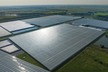
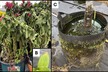
Researchers explored the effectiveness of soil solarization as a weed control method and its role in establishing native flower strips. The goal was to evaluate weed suppression and the successful implantation of multi-species sods of native plants. Researchers evaluated three treatments: transparent polyethylene, opaque recycled polyethylene from silo bags, and an uncovered control.
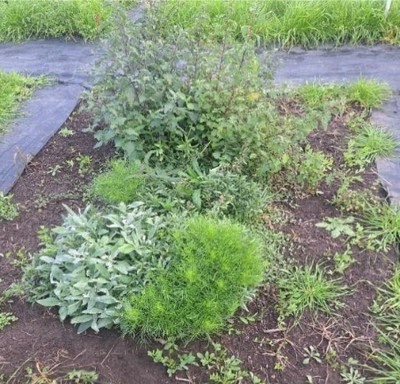 © Instituto de Floricultura, INTA
Results showed that transparent polyethylene was the most effective treatment, reaching soil temperatures above 60 °C. This level of heat eliminated weed seedlings and significantly reduced their emergence in the weeks following treatment. Opaque polyethylene also reduced weed growth, though less effectively, while control plots were quickly colonized by invasive species.
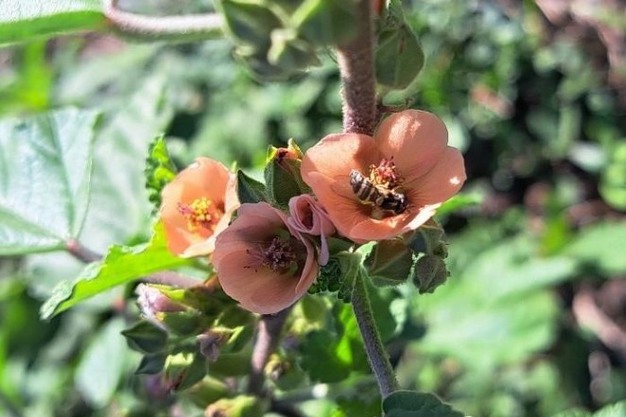 © Instituto de Floricultura, INTA
These findings confirm that solarization can serve as a physical, non-chemical strategy for weed management, supporting sustainable agricultural practices. The implantation of native sods proved successful across all treatments, but growth and coverage were notably greater in plots treated with transparent plastic. Reduced competition from weeds allowed native species to establish more rapidly, increasing coverage by nearly 50% within three months.
This demonstrates that combining solarization with sod implantation accelerates ecological restoration by strengthening native plant communities and reducing the dominance of exotic weeds. Beyond weed control, the approach highlights the potential of recycling agricultural materials such as silo bags, contributing to circular economy practices. By reusing plastics, farmers can reduce waste while enhancing biodiversity.
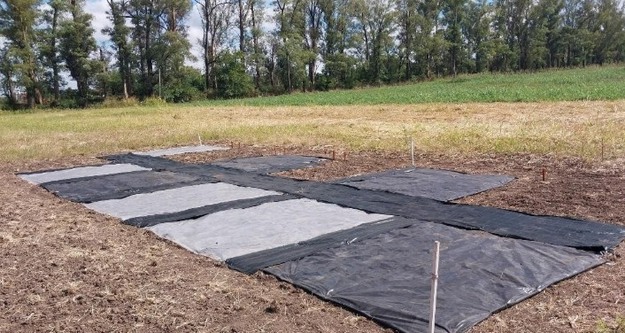 © Instituto de Floricultura, INTA
The integration of native floral strips into agroecosystems offers multiple ecological benefits, including pollinator support, habitat provision, and improved resilience of agricultural landscapes. Scaling up this approach could help design functional floral strips that enhance sustainability and ecological resilience in agroecosystems.
Authors: Paula E. LEVA, Ana G. PIGNATARO, Santiago STANCANELLI1, Marina B. TORNATORE, Analía PUERTA, Leonardo VENTURELLI
For more information:
Instituto de Floricultura, INTA
inta.gob.ar/floricultura/
Instagram: inta.floricultura
Facebook: Instituto.de.Floricultura.INTA