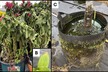


Iron chlorosis, or yellowing of young leaves, is one of the most persistent and costly micronutrient disorders in floriculture production. Crops often appear healthy and uniform early in the cycle. Then, as the substrate pH drifts upward, interveinal chlorosis begins to show on newly expanding leaves. In most cases, the problem is not a lack of iron in the fertilizer program. It is a loss of iron availability as rising substrate pH and irrigation water alkalinity push iron out of solution.
Correcting and preventing iron deficiency takes more than simply adding iron. It requires a clear understanding of root-zone chemistry, careful selection of the appropriate iron chelate, and proper application of drenches or foliar sprays. Effective iron management connects water quality, substrate buffering capacity, fertilizer choice, and crop physiology. When these factors are aligned, chlorosis becomes a manageable production issue instead of a recurring frustration.
This also explains why chlorosis can seem to appear overnight. A crop may receive adequate iron for weeks, then quickly develop symptoms once the root zone shifts to conditions that limit iron availability. Before choosing a chelate or making a corrective application, start with the basics. Evaluate how pH and alkalinity affect iron solubility and confirm that the iron being supplied is actually available to the plant.
In soilless substrates, iron availability depends mainly on root-zone pH. As pH increases, soluble iron rapidly converts to ferric iron (Fe³⁺), which reacts with hydroxides and carbonates and becomes insoluble. The response to pH is steep. Even small increases in substrate pH can sharply reduce soluble iron levels in the root zone. That is why iron deficiency symptoms often develop in crops that are otherwise fertilized correctly, especially when pH drifts above the crop's target range.
Read more at e-Gro