

In Vidzeme, Latvia, temperatures have remained below -10°C for several weeks. At the Kliģēni greenhouse complex near Cēsis, winter conditions have delayed flowering and increased heating costs, but production has continued.
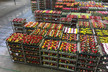
Primulas cover 5,000 m², with around 70,000 plants in 25 varieties. According to greenhouse manager Inese Raubiško-Reke, peak flowering was about two weeks later than planned. Instead of mid-January, the main bloom came in February once sunlight levels improved.
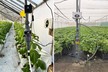
To maintain temperatures between +4°C and +8°C, even when outside temperatures drop to -20°C, the greenhouse uses energy-saving textile screens that close at night to reduce heat loss. Additional heating pipes beneath the growing tables keep root systems warm, which is essential during winter.
Tulips planted in the second week of January are being managed to ensure flowering for the March 8 sales period.
Sales, however, are significantly slower than last year. By this point in the season, only 20% of production has been sold, compared with 70% at the same time a year ago. The company's gas bill for January was 70% higher than in January last year.
In early February, a new wood-chip boiler began operating. The investment, worth approximately €500,000, has a capacity of 1 MW. It currently heats the flower greenhouses and will later supply heat to cucumber and tomato production.
Raubiško-Reke says vegetable prices are determined by the market and strong competition from imports produced in regions with lower heating costs. Significant price increases are unlikely. However, prices for locally grown flowers may rise by 5–10% due to higher energy costs and more expensive peat substrate.
Source: rus.lsm.lv