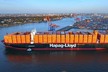


This month marked the start of operations at Puerto Antioquia, a new port located on the southeastern side of Bahía Colombia in the Gulf of Urabá, Caribbean Sea in Antioquia. With an initial capacity of 7 million tons per year and a location that is on average 33% closer compared to other terminals, the port is expected to have a significant impact on Colombia's export industries.
For Carlos Manuel Uribe, president of Flores El Capiro, the new port represents a major step forward—not only for flowers, but also for other crops.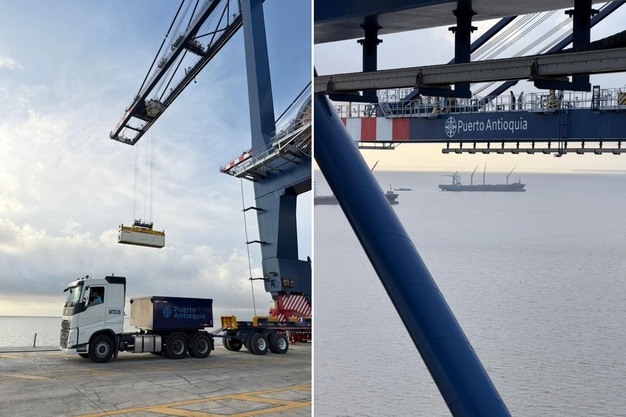 © Flores el Capiro
First containers already shipped
Operations began last week with the first banana containers. Flores El Capiro is preparing to ship its first flower container through Puerto Antioquia in March.
According to Carlos, the port's strategic location in northern Colombia, on the Atlantic Ocean, makes it particularly relevant for exports to the United States and Europe. "At the beginning, around 50 to 60% of the flowers that go out of Colombia will move through this port," he explains.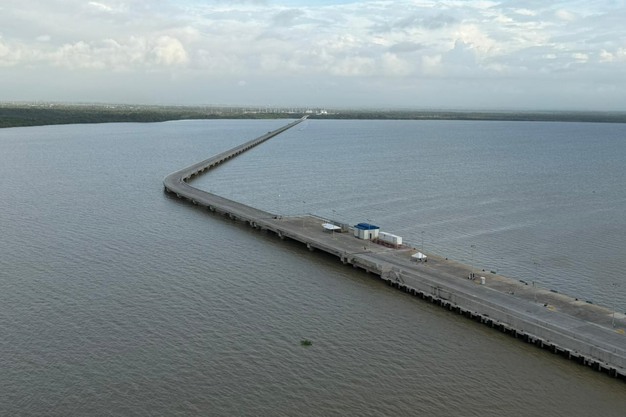 © Flores el Capiro
First containers already shipped
Operations began last week with the first banana containers. Flores El Capiro is preparing to ship its first flower container through Puerto Antioquia in March.
According to Carlos, the port's strategic location in northern Colombia, on the Atlantic Ocean, makes it particularly relevant for exports to the United States and Europe. "At the beginning, around 50 to 60% of the flowers that go out of Colombia will move through this port," he explains.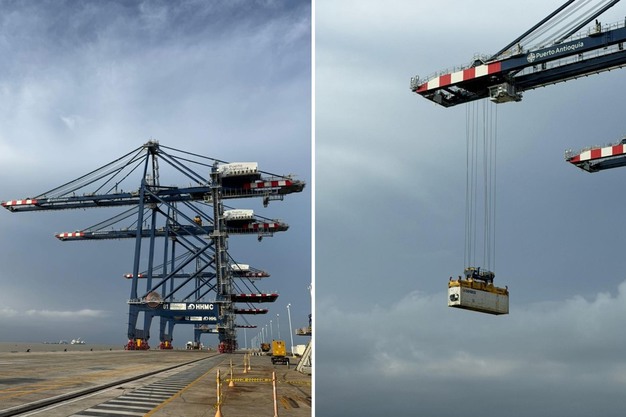 © Flores el Capiro
Boost for sea freight of flowers
Flores El Capiro exports 92% of its flowers by sea, making it the largest exporter of cut flowers by sea freight. This week, the company reached a milestone by shipping its 15,000th container.
Carlos explains that sea freight continues to gain popularity. "It's getting more popular because of the cost and also because of the quality. Unlike air freight, sea freight operates with a continuous cold chain."
Transit times vary by destination. Shipments to Europe are well established, with guaranteed vase life programs in place. For example, for UK retailers such as Tesco and Aldi, Flores El Capiro guarantees 14 days of vase life. Even distant markets such as Australia are supplied by sea, with total transit times of up to 35 days.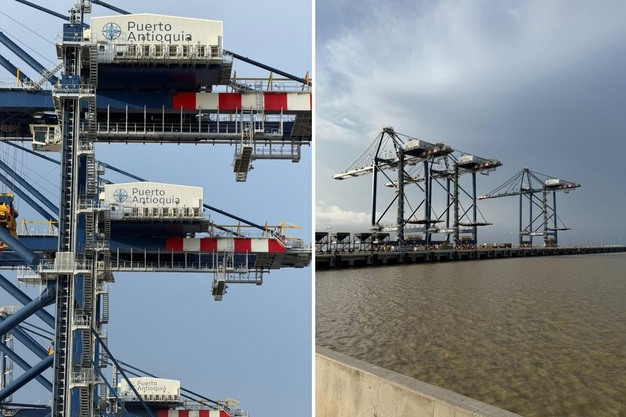 © Flores el Capiro
Competitive edge over Africa
Carlos believes the new port will further strengthen Colombia's competitive position against African suppliers in sea freight. Colombia now counts four Atlantic ports and two on the Pacific coast.
The high export volumes of bananas, avocados, and coffee ensure frequent sailings to Europe. "Africa will not be able to compete against Colombia in the short future. Our transit times and shipping frequencies make us very competitive," Carlos says.
A positive development in a challenging year
The Colombian floriculture sector is currently facing rising wages and increasing costs, which are expected to put pressure on especially smaller farms. However, developments such as Puerto Antioquia provide a positive outlook.
"It's a year with many challenges," Carlos concludes, "but we also have new things that help us overcome those challenges—like this new port."
For more information:
Flores El Capiro
www.capiro.co