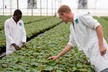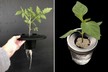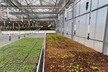


In the Netherlands, the "Petunia and Calibrachoa Derogation Programme" has officially come into effect, allowing the import and rooting of cuttings from countries including Kenya under strict conditions. Under this temporary European transition scheme, unrooted cuttings of Petunia and Calibrachoa may be imported and rooted in the Netherlands. The first Dutch companies have received official recognition, and initial shipments from Kenya have been successfully imported. This marks a significant development, as these materials were subject to an import ban until last year.
First recognitions granted
The Netherlands Food and Consumer Product Safety Authority (NVWA) has designated several Dutch production sites as official rooting locations. Only sites that already hold a plant passport authorisation and operate comprehensive hygiene and traceability protocols are eligible for recognition. Approved companies are listed in a national register, which can be shared with the European Commission and EU Member States upon request.
Import and additional supervision
With official recognition, companies are permitted to import unrooted cuttings from Kenya and Guatemala, subject to specific conditions. During the rooting phase, Naktuinbouw carries out visual inspections at least every two weeks at the approved sites to detect early symptoms of specified viruses and other quarantine organisms. If there is any suspicion, samples are taken for further analysis. Naktuinbouw is developing dedicated diagnostic tests to enable rapid identification. Until these tests become available, samples are analysed by the NVWA.
Strict hygiene and separation requirements
The derogation scheme sets clear requirements regarding the separation of batches, hygiene during sticking and rooting, administrative records, and full traceability. These measures are designed to prevent the spread of harmful organisms and to ensure that each batch can be traced back to the original import consignment.
Evaluation by NVWA next summer
The NVWA will evaluate the Dutch approach in the coming months. The assessment will focus on the effectiveness of the programme, compliance by recognised sites, and potential areas for improvement. The outcome will play a key role in determining whether the current approach will be continued or adjusted.
Importance for the sector
The derogation programme provides Dutch growers with the opportunity to responsibly root Petunia and Calibrachoa cuttings from Kenya. Through intensified supervision by Naktuinbouw and the NVWA, plant health remains the priority while maintaining access to essential starting material for the ornamental sector.
Source: Naktuinbouw