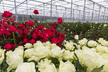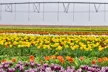


"Plant variety protection is essential for encouraging breeders to innovate. It also ensures the sustainable development of the horticulture industry. The Netherlands has long been a global leader in the flower sector. This is due to its vast industry scale, efficient market mechanisms, advanced cultivation techniques, and deep-rooted horticultural culture. China and the Netherlands maintain a close and dynamic partnership in this field. Over many years, Dutch horticultural companies have actively cultivated the Chinese market. They have formed stable, long-term strategic collaborations with local enterprises. Their cooperation has deepened continuously. It ranges from breeding innovation and the development of new cultivation techniques to the joint exploration of international markets. As a result, a continuous stream of high-quality varieties, including roses, tulips, lilies, and others, has been introduced from the Netherlands to China."
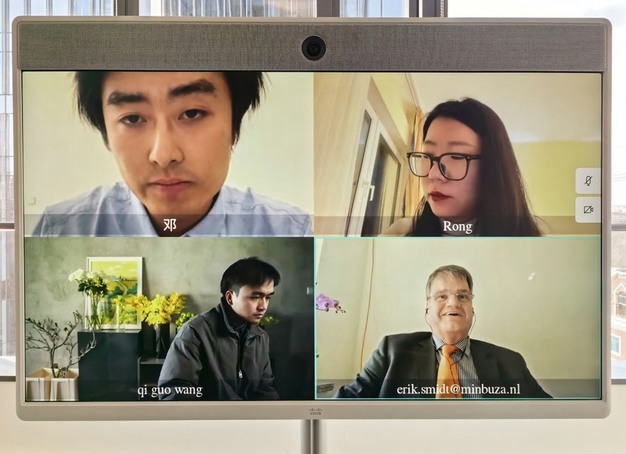 © Luo (Cathy) Rong | FloralDaily.comInterview
Amidst intensifying market competition, the question of how to further strengthen bilateral cooperation has become a focal point for the industry. Deng Haowen from Yunnan Rehua Agriculture Co., Ltd. and Erik Smidt, Agricultural Counsellor at the Embassy of the Kingdom of the Netherlands in China, engaged in an in-depth discussion on this topic. Their conversation covered the Dutch flower auction system, the Plant Variety Protection (PBR) , sales channel strategies, and the branding of Dutch horticultural products. Mr. Deng previously worked at the renowned Dutch rose breeding company Schreurs. He brings deep industry expertise to this exchange.
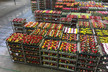
Mr. Deng reflected on the history of the auction system in China. The Kunming International Flower Auction Market was approved in 2001 and officially launched on December 20, 2002. This marked the formal introduction of the Dutch flower auction model into China, where it has since operated steadily," he noted. However, he pointed out a significant emerging challenge: the rapid rise of Chinese e-commerce platforms. "A huge volume of flowers is now distributed through online channels, making the collection of royalties extremely difficult to manage. If this issue remains unresolved, it will ultimately hinder the introduction and promotion of new varieties in the long run."
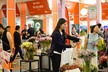
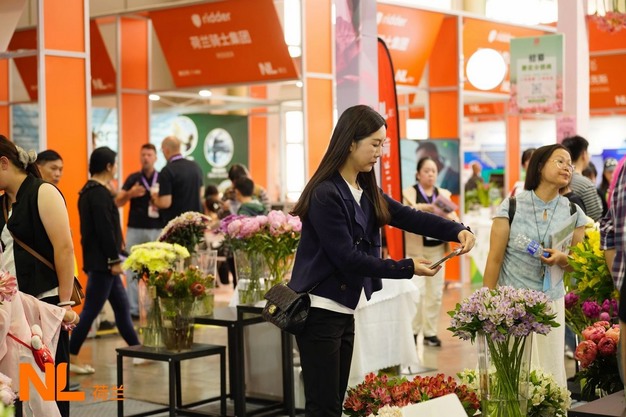 © Luo (Cathy) Rong | FloralDaily.comVisitors are attracted by new flower varieties on NL Pavilion, Kunming, Sept. 2025
Mr. Smidt explained that the Dutch auction system has functioned smoothly for over a century. "It is a mature system with a clear division of labor—breeders, growers, and wholesalers each have their defined roles. Licensed varieties are traded through the auction market, and breeders collect agreed royalties from growers , ensuring that the interests of all parties are well protected. This is a fundamental consensus within the Dutch flower industry," he stated. He emphasized that in cases of Plant Breeders' Rights infringement, legal recourse is available. "Europe has a relatively robust legal framework for variety protection." He also underscored the critical role of trust. "Beyond that, Dutch horticultural businesses collectively contribute to a fund that supports the overall development of the industry." Mr. Smidt also observed a key difference in market structure: "E-commerce is far less developed in the Netherlands than in China. A massive volume of flower transactions in China occurs online, driven by consumers' habit of shopping online. The Dutch market, in contrast, is more traditional, with offline transactions playing a dominant role."
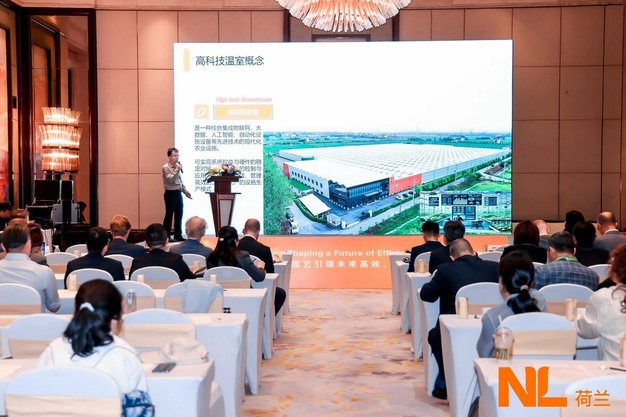 © Luo (Cathy) Rong | FloralDaily.comSectoral Seminar on Horti IPM, Shanghai, April 2025
Regarding the branding of Dutch horticulture, Mr. Smidt highlighted the Embassy's proactive role. "We organize sectoral roadshows, as well seminars and networks and etc., to create more opportunities for Dutch businesses to connect with local governments and industry partners, helping them expand their commercial networks. At major trade fairs, Dutch companies also present themselves collectively as a 'Holland Pavilion.' The distinctive orange branding enhances our group identity and strengthens our brand presence."