

The international floral industry is currently experiencing increased logistical pressure due to significant volatility in the global energy market. Recent disruptions affecting oil reserves and supply infrastructure in the Middle East have contributed to fluctuations in fuel prices, impacting transportation costs across multiple industries — including temperature-controlled logistics that are essential for fresh flowers.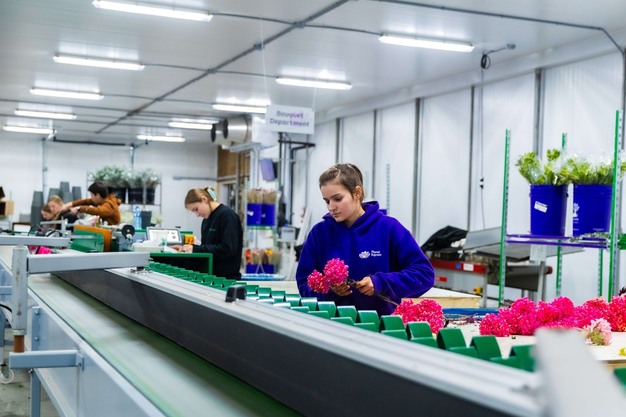 © Floral Express
Industry update: carrier fuel surcharges
Floral Express has recently been notified by logistics partners of adjustments to fuel surcharges in response to changing global energy costs. As a result, a carrier-mandated Fuel Surcharge (FSC) of 46.1% has been implemented and is effective immediately.
Because maintaining a consistent cold chain is essential to preserving floral quality, specialized refrigerated transportation and air freight remain critical components of the supply chain. These services are highly sensitive to fuel price changes, which can lead to adjustments in transportation surcharges.
As with many sectors relying on time-sensitive and temperature-controlled logistics, the floral industry continues to monitor developments in the global energy market and adapt to changes as they occur.
Building trust through market volatility
Floral Express is committed to maintaining the trust of their customers during periods of market fluctuation. While fuel-related surcharges are currently being implemented by carriers across the logistics sector, they are closely monitoring how these changes develop in the coming weeks.
Floral Express team will continue to evaluate transportation costs and industry conditions carefully. As soon as fuel prices and logistics costs begin to stabilize, Floral Express is committed to implementing countermeasures aimed at reducing end costs for their customers wherever possible. Maintaining long-term relationships and supporting the success of our customers remains a central priority. 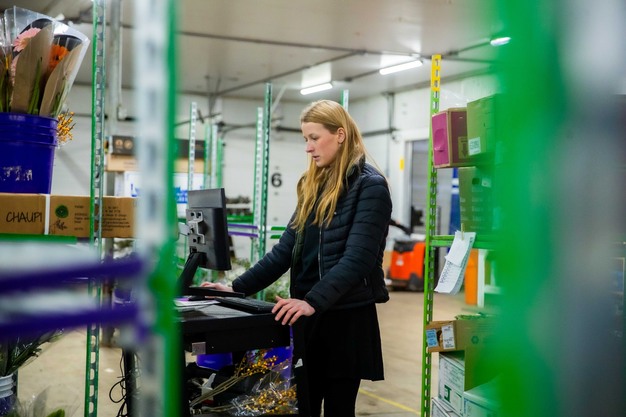 © Floral Express
Why energy costs matter in floral logistics
Fresh-cut flowers require a continuous cold chain from farm to customer in order to maintain freshness and vase life. This process often involves refrigerated trucking, specialized air cargo handling, and climate-controlled storage facilities.
Because these systems rely heavily on energy, fluctuations in fuel prices can have a direct impact on the cost structure of transporting perishable floral products. Unlike many other goods, flowers must move quickly through the supply chain, making transportation efficiency and reliability critical.
Looking ahead
While global energy markets remain dynamic, the floral industry continues to adapt through collaboration across growers, logistics providers, and wholesalers. By maintaining strong supply chain coordination and clear communication, companies throughout the sector are working to ensure that fresh flowers remain available to retailers and consumers alike.
Floral Express will continue monitoring the situation closely and will provide updates as market conditions evolve.
For more information:
Floral Express 
[email protected]
https://floralexpress.ca/