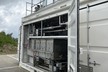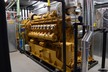


In a greenhouse on the outskirts of the Netherlands' flower-growing regions, rows of tulips bloom in a climate controlled not only by traditional horticultural equipment but also by humming cryptocurrency computers. Instead of allowing heat generated by Bitcoin mining machines to dissipate into the air, farmers and engineers have begun redirecting that waste heat to warm greenhouses.
The unusual partnership between digital finance and agriculture emerged during Europe's energy crisis in 2022, when soaring gas prices forced growers to seek alternative heating methods. By integrating mining rigs with greenhouse infrastructure, the Dutch experiment demonstrated how excess heat from computing could support crop production while reducing fossil fuel use, an idea that is now sparking wider discussion about energy efficiency and sustainability.
The project began when Dutch tulip grower Bert de Groot, founder of the initiative often referred to as BitcoinBloem, partnered with local cryptocurrency entrepreneurs to install Bitcoin mining rigs inside or alongside the greenhouse structure. Instead of venting the heat produced by the computers, the system captures and circulates it to maintain the temperature required for growing flowers.
Greenhouses require stable warmth to grow crops year-round, making heating one of the largest operating costs for farmers.
Read more at The Times of India