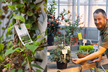


A specialized nursery complex, Kishvary-sabs, in Tajikistan has established a modern propagation center focused on the large-scale production of flowers and ornamental trees. The facility functions as a primary laboratory for the country, utilizing seeds and genetic material imported from multiple countries, including the United States, the Netherlands, Turkey, and Germany to develop plants adapted to the local climate.
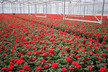
The production starts in a dedicated propagation unit, where planting material is prepared before being transferred to cultivation areas. The assortment includes indoor plants, hanging plants for balconies, and approximately 1.5 million annual flowering plants grown for seasonal use in gardens, terraces and urban spaces. Chrysanthemum cuttings are produced for further cultivation by buyers.
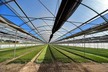
The facility also operates non-heated greenhouse sections designed for coniferous species that require specific growing conditions. These areas are used for growing conifers, perennial shrubs and flowering bushes, with planting material sourced internationally and further developed locally.
Among the tree assortment are ornamental and perennial species such as magnolia, oleander and photinia. A separate production line focuses on coniferous trees, including blue spruce varieties shaped into compact forms.
A key development is the adaptation of giant sequoia trees to local conditions. The project began four years ago and has reached a scale of around 100,000 seedlings. These trees are being grown further, with planting material expected to reach heights of 1–1.5 meters within two years.
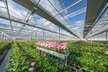
Production is supported by automated irrigation systems and a dual-layer greenhouse covering designed to protect plants from excessive sunlight and low temperatures. Plant material is supplied to both retail gardeners and wholesale buyers.
Source: www.youtube.com