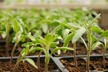


Weeds are among the most damaging pests in greenhouse and container production systems. The combination of intensive fertilization and a controlled environment creates ideal conditions for weeds to grow and spread quickly. They don't just appear in pots and nursery trays but can also take over benches and greenhouse floors. Once established, weeds compete directly with crops for moisture, nutrients, and space. On top of that, they can act as hosts for plant diseases and insect pests, making them a broader threat to overall crop health.
To manage weeds, growers often rely on preventive measures, good sanitation, and cultural practices like mulching and hand-weeding. These methods are important parts of an integrated approach, but they are not always enough on their own. They can be time-consuming, difficult to apply consistently, and expensive, especially in large-scale greenhouse operations. Because of these limitations, chemical control methods are often combined with cultural practices to improve effectiveness and maintain better control over weed growth.
One option within chemical control is the use of organic herbicides. These products are derived from natural plant-based or biodegradable compounds and are typically non-selective, meaning they affect most plants they come into contact with. They usually work as contact herbicides, targeting the parts of the weed they touch rather than being absorbed systemically. Organic herbicides can be used in greenhouses even when crops are present, as long as the product label allows it and instructions are followed carefully. Several organic products are commonly used for weed control in greenhouse settings.
Read more at e-Gro