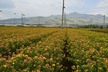


The Teagasc Horticulture Road Map 2030 provides an overview of Ireland's horticulture sector to 2030, outlining current performance, market outlook, sustainability priorities, and future targets.
The horticulture sector is a specialised sector of Irish Agriculture that contributed €644m, including €220m potatoes, to agricultural output in 2025 from less than 0.4% of land UAA. The National Strategy for Horticulture (2023-2027) estimates that the sector provides 7,000 jobs in primary production, and a further 11,000 in amenity and downstream services.
Demand for fresh produce and plants is strengthening due to an overall increase in population and increased interest in whole foods and plant based nutrition, as well as increased volatility of fresh produce supply from the European market. The majority of Irish produced horticulture products are sold on the Irish market apart from mushrooms (>85% exported, mainly to the UK). Bord Bia values horticulture exports as > €240m for 2024 and 2025. Ireland also imports >€1bn of horticultural food products – some of which cannot easily be grown in Ireland (for example citrus fruits, nuts etc). Ireland also imported €150m of amenity crops (flowers etc) in 2023.
Irish growers face the challenge of supplying the marketplace daily with quality assured, low environmental impact products at competitive prices without subsidies and supports, in competition with imported produce from lower costs economies. This has led to a recent trend of consolidation across the sector with larger scale growers producing the vast majority of output.
The vegetable sector is largely an outdoor field based sector and the majority of output comes from a small number of specialised growers of individual crops such as carrots and broccoli etc. There are opportunities to provide fresh produce at the 'shoulders of the season' but this will require substantial investment and would also be aided by improved management techniques.
The soft fruit sector is primarily made up of strawberries. Expansion will focus on season extension through the increased adoption of glasshouse and lighting technology. Automated harvesting technology is likely to begin to be commercially available which will assist with labour shortages.
The cut foliage sector has significant potential to expand to meet market demand – particularly in the "cut flower" area including specific lines such as Peony and Scented Stock.
Overall demand is strong for Irish horticulture products although markets are regularly challenged by downward price pressure from imported produce. Market demand continues to grow for plant based products, extracts and novel amenity products which has yet to be exploited fully.
Horticulture can provide a diversification opportunity for existing producers, as well as new entrants as new and more diverse range of crops are grown for food and non-food use. Technology.
Commercial growers will use increased automation and precision technologies to reduce the reliance on labour and maximise crop inputs. While automation continues to be developed and adopted, the sector still requires a supply of skilled labour.
The full roadmap can be viewed at the link here.
For more information:
Teagasc Horticulture Development Department
https://teagasc.ie/