

Photos: Guy Ackermans
At first sight it looks like vandalism. On a pallet dozens of young African tropical plants in PVC tubes, which serve as a pot, are devoured in the fire. Their leaves hang limply. Here and there the green is scorched. Five meters further seven plants are patiently awaiting the same fate. Researcher Imma Oliveras (Marie Curie Fellow) and Professor Elsa Pastor bring the right amount of wood wool for a small savanna fire.
Pastor is Professor of chemical engineering at the University of Barcelona and specialized in fire. She is flown in especially for this job. In a few days, some fifty of these kind of fires are started. A total of 27 different forest and savanna plants undergo a brief fire of exactly 40 seconds. Sensors in the fire, keep track of the precise temperature. It is scientifically kindling fire.
Yet the atmosphere is slightly giggly and excited. Curious colleagues take a look. The news spread like ... well, a wildfire. Elmar Veenendaal, associate professor of the department of Plant Ecology and Nature Management has fun. But hastens to explain that this is a serious experiment. The test represents a true savanna fire.
Such a fire in reality has effects that we do not fully understand. Some plants survive the fire, others do not. Veenendaal wants to know why. Has it perhaps something to do with their root system? Curiosity focuses on species that occur in the transition zone between savanna and forest. "For typical woodland- or savanna plants we know how it is. But in the transition zone it is not clear.
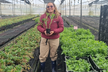
"Months of preparation preceded the fire test. In the greenhouses at Radix hundreds of plants of the 27 different varieties are grown for a few months under different rainfall regimes. From rainfall in the driest savannah to those in the wettest forest. Meanwhile, the growing plants are continuously monitored for their photosynthesis, starch storage, rooting etc. After the fire, the plants go back into the greenhouse for a few months in order to monitor the effect."
source: resource.wageningenur.nl