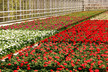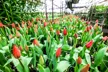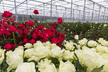


Young boys in tee shirts, shorts and chappals, their hands adorned with long floral garlands, is a sight one cannot miss on the 31-km main road connecting Limkheda with Dahod. Their presence also marks the entry into Rozam, a village in Dahod district and taluka, where there are marigold fields of both sides of a hilly and nearly half of its residents are into flower cultivation.
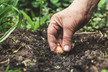
Among them is Gesuben Parmar, who grows marigolds and roses on her barely one-acre undulating land that she has developed into a terrace farm. “My husband and I couldn’t study and nor could our son, as we were always on the move from one site to another. But now, my grandchildren are going to school,” says the 56-year-old, who is from the Pateliya adivasi community. Until five years back, she, along with her husband and son, were mostly working as migrant construction labourers in Rajkot, Vadodara and Surat. Now, they work in their own flower farm, which sustains them through the year.
Dahod district in east Gujarat, which borders Jhabua in Madhya Pradesh and Banswara in Rajasthan, has 74.3% Scheduled Tribes population as per the 2011 Census, the majority of them Bhils and Pateliyas.