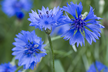

When the floats glide down Pasadena’s Colorado Boulevard for the 135th Rose Parade on Jan. 1, parade-watchers may not realize that the overwhelming majority of flowers on those floats are not from the United States but from two countries in South America. Colombia and Ecuador have cornered the market on Rose Parade flowers, according to wholesale distributors, float decorators, documents, and media reports.
With California growers mostly shoved out of the market due to drought conditions, high labor costs, pesticide regulations, and foreign competition, since the 1990s, the result has been an international pipeline in the sky of roses, carnations, chrysanthemums and other varieties filling up cargo planes landing at Southern California airports during the last few weeks of December.
“Colombia and Ecuador are the primary countries of origin for chrysanthemums, roses, and carnations — those are the big items,” said Bob Mellano, vice president of wholesale operations for Mellano and Co., the major flower broker for the parade with operations in Downtown Los Angeles.
In fact, these two countries have pretty much displaced California growers. Usually, only lesser flowers and some dry materials come from in-state growers, such as birds of paradise, willows, delphiniums, gladiolas, lilies, sunflowers, and grasses, he said.
Read more at pasadenastarnews.com