

Overhead costs: aphids
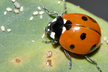
"I have seen at least four species of aphids on callies over the years, including potato, foxglove, green peach and 'tobacco' aphid (the latter may be a variant of green peach). Some of these aren't particularly susceptible to some commercial biocontrols and others (tobacco aphid) have shown some tolerance to certain insecticides, explaining perhaps why these strategies have not worked particularly well in some cases. These aphids are hard to detect early in production, particularly in baskets hung out of sight where monitoring is difficult.
"For callies and possibly other aphid-prone basket crops a preventive insecticide spray to well-rooted cuttings, pre-transplant, might be done using a material highly effective against aphids such as Endeavor, Aria or Kontos (for growers looking for alternatives to neonics). Mainspring GNL can also be used for greenhouse crops (note label restrictions) and the high label rate of Avid (or generic abamectin) will also knock down aphids (Kontos and abamectin add some efficacy against broad mite, Mainspring for western flower thrips too). Make sure plants are well-watered (media not dry) when making the application and spray just to wet, not to drench. Note some plants are sensitive to Aria, Avid, & Kontos (see labels). Mainspring may benefit from addition of a compatible penetrating surfactant. A 'test' application to a small number of plants across cultivars is always a good idea before large-scale use of any product or tank mix. While I am generally not in favor of strictly preventive treatments, growers who see repeat problems in some crops can justify such uses, and treating before planting helps reduce the expense and amount used. Growers should still spot-check baskets during production and make sure infestations aren't lingering elsewhere in the range."
Source: eGroBlog