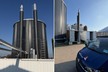


In Hell's Gate National Park within Kenya's Great Rift Valley, wildlife roams freely among geothermal plants that convert underground heat into electricity. This dramatic landscape is central to Kenya's energy system, where geothermal power supplies over 40 percent of national electricity—the highest share globally. Much of this energy comes from the Olkaria geothermal field, one of the world's richest geothermal reservoirs.
Geothermal energy has become a cornerstone of Kenya's economy due to its reliability and low cost. Unlike solar or wind, it provides constant baseload power, operating year-round and stabilizing the grid during droughts when hydropower declines. Electricity generation costs are significantly lower than fossil fuels, helping shield the country from volatile import prices and supporting industrial growth. Despite an estimated potential of 10,000 MW, less than half has been developed, leaving major room for expansion.
Beyond electricity, geothermal energy is increasingly used directly in agriculture and industry. Near Lake Naivasha, farms such as the Oserian flower estate use geothermal heat to warm greenhouses, enabling year-round production powered entirely by renewable energy. Additional applications include milk processing, aquaculture, and other greenhouse projects supported by the Geothermal Development Company.